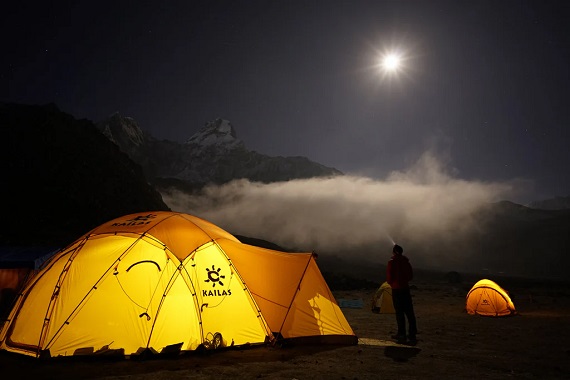

Camping in winter can be wonderful, but only if you’re prepared properly. The Canadian winters are cold and harsh, so staying prepared in terms of keeping yourself warm, well-fed and cozy is paramount for having a good camping experience. Staying warm may be closely related to comfort inside the tent, but it’s essential not to overlook another significant aspect – hypothermia.
Exposure to cold for an extended period can lead to a potentially fatal drop in body temperature and result in frostbite to the extremities. Fortunately, avoiding this is easy with the right gear. Having a great and memorable experience can be easily experienced by stocking up the essentials.
How to Keep Warm in a Tent When It’s Cold?
Cold Weather Tent
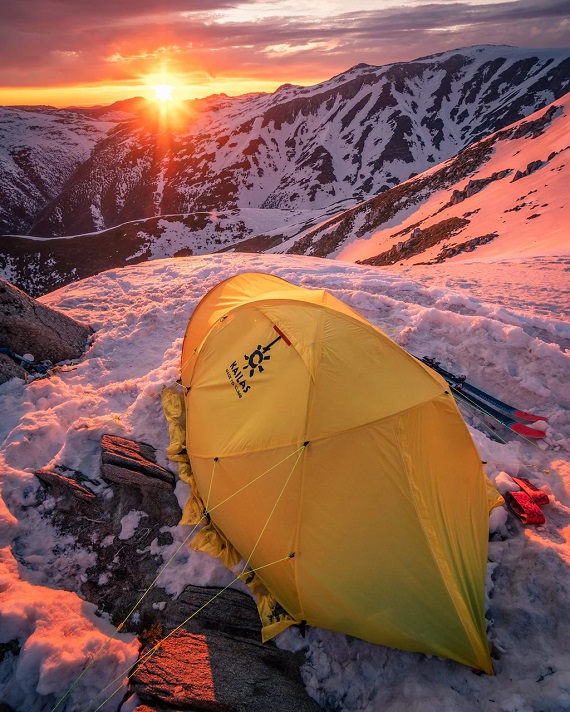
Choosing the right winter camping tent is one of the first and most important things when camping in winter. A cold weather tent is made to handle challenging environments and weather conditions like minus, freezing temperatures. A tent of this kind is designed to ensure your safety and comfort without compromising your warmth.
Aside from keeping you warm and cozy, a winter tent is stable enough to withstand severe weather conditions like extreme winds, snowfall and rainfall. Choosing the right tent size matters a lot in terms of having enough space to sleep in it, but you shouldn’t forget about some other crucial details, as in the case with ventilation.
Choosing a tent that offers more ventilation is critical for reducing the amount of condensation, so what you should do is open the tent vents and expose the mesh panels. You should also consider the idea of choosing a model with a rainfly that extends almost to the ground to reduce drafts. Keep in mind that the poles should also be sturdy to withstand even the windiest days and nights.
Given the fact that you’re going to winter camping, the chosen tent should also have a rolling snow flap, which can help you be prepared even when it’s snowing. The overall tent’s material should be durable, waterproof, well-insulated and resistant to rips and tears for improved longevity. Ideally, you should look for a thicker fabric with a high denier count for increased durability.
Preferably, pick out ripstop nylon or polyester as these are considered some of the strongest materials for the purpose. The frame itself is also important, so make sure to choose a sturdy and stable one. All of these things are paramount for maintaining warmth and managing condensation.
Insulating Sleeping Bags
Sleeping bags are a very much-needed gear because of their ability to trap body heat, which is essential for preventing hypothermia. Usually, they are made from waterproof and water-resistant material and are insulated (filled) with down or synthetic insulation.
Practice shows that you should choose a sleeping bag that has a temperature rating of 10 degrees lower than the coldest temperature. Speaking of down and synthetic insulation, know that even though lighter in weight, down-insulated bags offer better insulation by keeping your body warmer.
However, this insulation of theirs can go in vain when wet. A sleeping bag with synthetic insulation is a bit heavier, but this doesn’t mean that it’ll compromise your warmth. The greatest thing is that even wet, this bag can keep you warm.
Dress in Layers
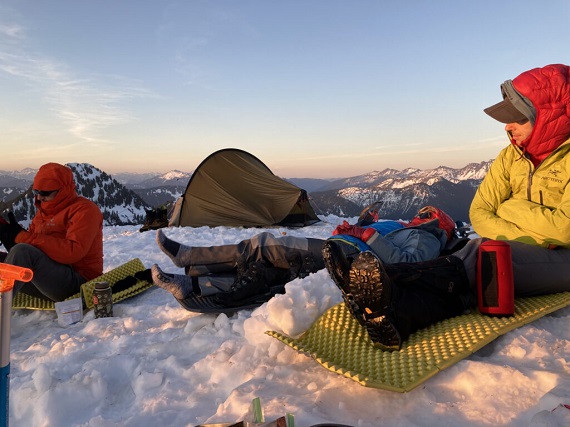
While the right tent and sleeping bag can contribute to staying comfortable and warmer, you cannot overlook the other important factor for warmth, especially throughout the night, which is being dressed properly to be able to regulate your body temperature.
Baselayer
The main purpose of baselayer clothes is to wick moisture away from your body and keep it dry. In order to keep you warm, they should be made from naturally insulating fabrics such as wool or synthetic materials, because other materials, like cotton, for instance, can hold sweat. By wearing cotton clothing, your body will become cold and lose heat, which isn’t the best thing you can experience when camping in winter.
Middle layer
The middle layer is basically the insulating layer, which is designed to retain body heat without compromising breathability. This, on the other hand, is essential for preventing overheating. A great example of middle layer clothing pieces is wool sweaters, long-sleeved shirts, thermal tops and insulated hoodies.
Outer layer
Also known as the shell layer, the outer layer of clothes consists mainly of jackets and coats that offer good wind and moisture protection.
Ground Insulation
The last thing you can do to stay warm, especially at night, is to insulate your tent from the ground. Aside from sleeping in a sleeping bag, you should also consider adding a sleeping pad among your list of must-have gear for better heat retention. A good thing to know is that sleeping pads are rated from 1.0 – 8.0, with the 8.0 rated options offering the best insulation.


![VEBO Orthopedic Dog Bed for Collapsible Wire Crate [Small]](https://www.everysingletopic.com/wp-content/uploads/2026/01/maxresdefault-150x150.jpg)