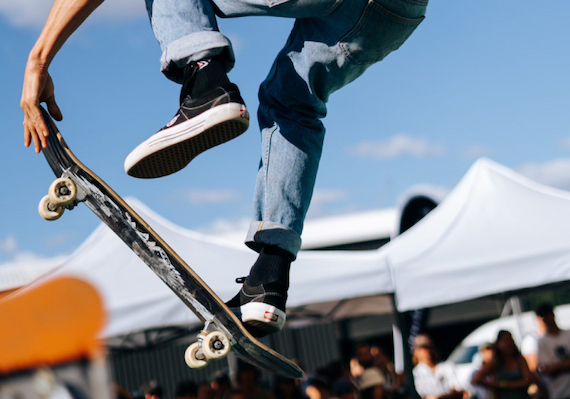

You already demolished a few pairs of shoes at the skate park? Sure, they can’t last forever, but when you’re landing those kickflips or battling a tough handrail, what’s on your feet really matters. So, how do you choose a pair that will survive the season, provide comfort, support, and, of course, look cool?
Are Skate Shoes Worth It?
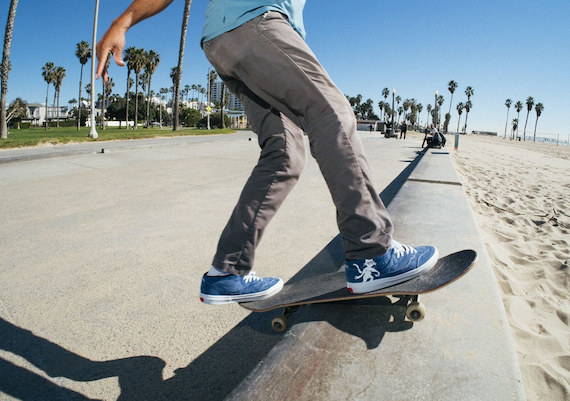
First off, why do you need special shoes for skating when you already have sneakers? Because they are built differently. High-performance skate shoes have added cushioning for impact support. They are designed to be more durable and offer better grip and board feel, which is key for skateboarders. Here’s what to consider when shopping for supportive skate shoes Australia wide.
The Cut: High, Mid or Low?
This will likely be the first choice you make, and to be honest, there isn’t a wrong answer to this one, just whatever works for you.
Low-tops
Low-tops are the classic shoe for a reason. They let you move your ankle, and this comes in mighty handy when you need to do tricks. They are lighter, more breathable, and help you feel the board really well. Most street skaters swear by them because they don’t constrict movement at all. Drawback: they do not support the ankles, so if you’re prone to ankle rolling, you might want to look elsewhere.
High Tops
High tops are like the big brothers of the skate shoe world. They enclose your ankle with support and additional cushioning around the collar. This makes them ideal for vert enthusiasts and anyone who does large transition manoeuvres. They will also last you a bit longer because of the extra material shielding the wear-and-tear zones. The trade-off is that they’re heavier and can feel restrictive if you are used to low-cut.
Mid Tops
Mid-tops are the middle ground. You get the ankle support without sacrificing too much mobility. If you skate all three: street, parks, and transition, these are great all-around skates.
What’s Underfoot: Understanding Soles

Vulcanised soles (vulc) are created by gluing the upper to the sole, and then “vulcanising” the whole thing with heat, bonding everything together. This makes a thinner, more flexible shoe with an amazing board feel. You can truly feel all the little pops and movements of your board, which aids in technical tricks. Additionally, the soles are super grippy right out of the box. On the downside, the soles will wear out faster than cupsoles, especially on rough streets or on tricks.
Cupsole shoes have a thick rubber sole that is stitched, not glued, to the rest of the shoe. They are the tanks of skate shoe soles: tough, padded, and excellent at absorbing impacts. If you need to land jumps or hit stairs, cupsoles are the way to go. They do sacrifice some board feel, though and can be heavier and stiffer than vulcs.
Some brands now market ‘hybrid soles’ that attempt to give you the best of both worlds: vulcanised grip and feel, and cup sole durability. Worth looking into, especially if you’re having trouble deciding.
Features That Matter
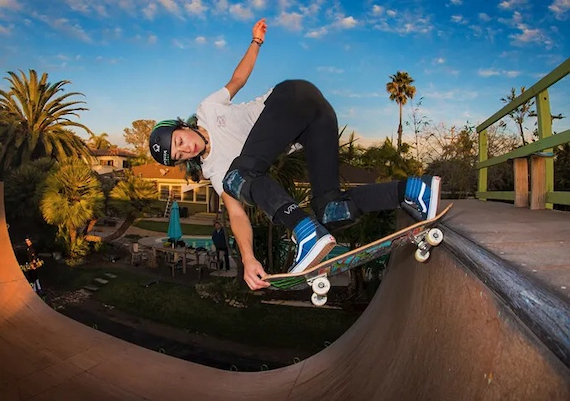
- Impact protection isn’t just hypes and marketing jargon about shoe features. Some technical features are worth considering, including heel airbags, insole cushioning materials, and specialised foam in high-impact zones. These features can work miracles for your knees, especially after intense skating sessions.
- Board feel and grip determine your connection to the deck. Skater shoes should give you proper board feel while providing grip to the griptape. The sole pattern is key here – the deeper the grooves, the better grip, but it may also pick up rocks and debris. The sweet spot is a pattern that grips well without being too chunky.
- Durability is another important feature, but let’s be honest here, skate shoes take a beating. Look for strengthened ollie patches (usually suede or rubber reinforcement where the shoe meets the skateboard deck), double or triple stitching, and good materials. Suede beats canvas in durability, but at the expense of breathing. Some recent models feature unique abrasion materials that can increase the lifespan of your shoes.
- Breathability might not seem the most important aspect of skate sneakers until you have skated in ones that cause your feet to feel like swamp land. Mesh panels, holes, or breathable materials all factor in when it comes to comfort levels. This would be vital if you live in warmer climates or if you like skating during summer.
- Comfort is not just about cushioning. The way the skate fits, the padding in the tongue, and the type of collar all factor into whether you want to finish the session or if it’s time to pack it in early. The amount of time it takes to break in will differ from pair to pair.
- Style and looks definitely mean something, and you shouldn’t let anyone dispute that. This is a pair you’ll be wearing all the time, and it needs to match your personality. The good news is that you can find a vast array of skate shoes Australia wide, whether you’re looking for classic black or something totally crazy.
The Bottom Line
A great skate shoe meets your priorities. Street skaters may value feel over flexibility. Transition skaters may need more support and cushioning. Figure out what matters the most to you and go from there. And keep in mind – even the best skate shoes can become shredded. It comes with the territory.