
From Backyard Jobs to Big Timber
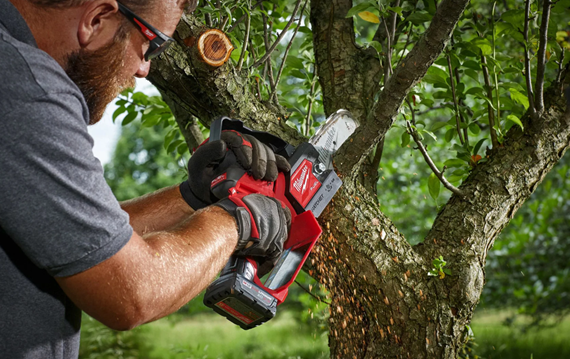
Chainsaws have become indispensable tools for both everyday homeowners and seasoned professionals. Whether trimming branches after a storm, cutting firewood for winter, or tackling larger forestry projects, they deliver speed and efficiency that traditional hand tools simply cannot match.
Their versatility makes them suitable for everything from light pruning to heavy-duty timber work, and modern designs have made them safer, lighter, and easier to handle than ever before.
Raw Power
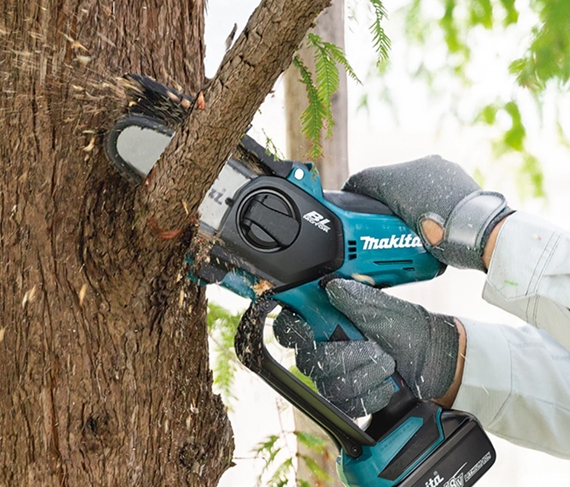
The defining feature of a chainsaw is its ability to cut through wood quickly and cleanly. Cordless models offer convenience, reduced noise, and lower emissions, while gas-powered versions remain the go-to for demanding jobs requiring maximum strength.
Brushless motors, now common in advanced designs, provide longer life and consistent torque. Battery endurance has also improved significantly, allowing cordless chainsaws to handle tasks that once required fuel-powered machines. These developments mean that choosing a chainsaw today is less about compromise and more about matching the right tool to the right job.
Modern cordless designs also reduce vibration compared to traditional fuel models, making them easier to control during longer cutting sessions. This improvement not only enhances comfort but also reduces the risk of repetitive strain injuries. Simply said, owning a chainsaw transforms routine cutting into effortless work, giving you control over projects big and small.
Fit for Purpose
Selecting the right model depends on the type of work you expect to do. For light pruning and garden maintenance, compact cordless options are ideal. Larger jobs, such as felling trees or cutting thick logs, demand the sustained power of gas-driven machines.
Ergonomics play a crucial role: comfortable handles, balanced weight distribution, and reduced vibration all help prevent fatigue and injury. Safety features such as chain brakes, low-kickback bars, and protective guards are now standard, reducing risks even for less experienced users.
Ergonomic design is more than comfort… it directly impacts productivity. A well-balanced tool reduces strain on shoulders and wrists, allowing longer sessions without discomfort. Adjustable handles and lightweight frames also make it easier for users of different ages and strengths to operate safely, broadening accessibility beyond professional use.
Tough Build
Durability is central to chainsaw design. Hardened steel chains maintain sharpness longer and resist wear, while reinforced housings protect internal components from impact and weather. Lithium-ion batteries in cordless models deliver consistent power without memory effect, and modern plastics reduce overall weight without sacrificing strength.
These material choices not only extend the lifespan of the tool but also improve safety by ensuring stability during operation. Environmental considerations are increasingly influencing material choices. Manufacturers are exploring recyclable plastics and more efficient battery chemistries to reduce waste. Some designs now feature eco-modes that conserve energy during lighter tasks, extending battery life while lowering environmental impact.
Safe Hands
Operating a chainsaw requires respect for its power. Personal protective equipment (PPE) such as steel-capped boots, gloves, helmets, and eye protection is essential. Proper body positioning and grip reduce strain and prevent accidents. Maintenance routines include:
- Check chain tension
- Sharpen regularly
- Clean filters
- Lubricate moving parts
- Clear the work area of obstacles
- Ensure stable footing
Following these practices transforms a potentially hazardous tool into a safe and efficient partner.
Sharpening techniques also matter. A dull chain increases kickback risk and forces the motor to work harder, shortening its lifespan. Using a round file matched to the chain size or a specialized sharpening tool ensures precise angles and consistent cutting. Regular inspection of guide bars and replacing worn parts prevents uneven cuts and prolongs overall tool health.
Routine cleaning of air filters and cooling vents is equally important, especially for gas-powered models. Dust and debris can clog systems, reducing efficiency and increasing wear. A few minutes of care after each use can save hours of repair later.
Other Cutting Options
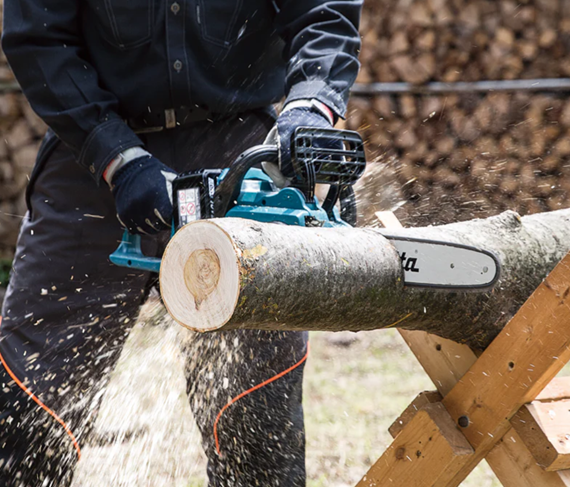
While chainsaws dominate heavy-duty cutting, alternatives exist for specialized tasks. Pole saws extend reach, making it easier to trim high branches without ladders. Pruning saws provide precision for smaller cuts, offering control where a full chainsaw would be excessive. These tools complement rather than replace a chainsaw, giving users flexibility across different scenarios. Choosing between them depends on branch thickness, cutting height, and the level of precision required.
Noise levels are another factor to consider. Cordless chainsaws and pruning saws operate more quietly, making them suitable for suburban or residential areas where disturbance is a concern. Gas-powered models, while powerful, can exceed 100 decibels, requiring hearing protection and limiting use in noise-sensitive environments. Understanding these differences helps users select the right tool for both the job and the setting.
Confidence in Every Cut
Combining raw power with modern safety and ergonomic design, them chainsaw is indispensable for a wide range of cutting tasks. Cordless models bring convenience and eco-friendliness, whereas gas-powered versions remain unmatched for sheer strength. Materials such as hardened steel and advanced battery technology ensure durability, while safety features and proper maintenance protect users from harm.
By understanding performance, fit, and care, you can select a tool that not only meets your needs but also makes every project faster, safer, and more satisfying.