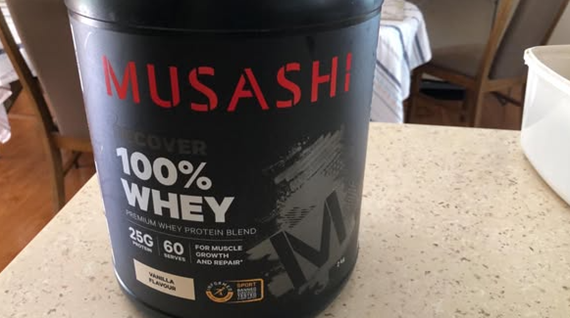

As an athlete or someone with an active lifestyle, you probably already know the importance of protein supplements for muscle repair and recovery. You may also be familiar that there are different sources of protein, with whey being one of the most popular.
Whey protein is a dairy product derived from cow’s milk. It’s a by-product of the cheese-making process. But not all whey protein powders are 100% pure. This is where things start to get a little more complex.
What Is 100% Whey Protein Powder?
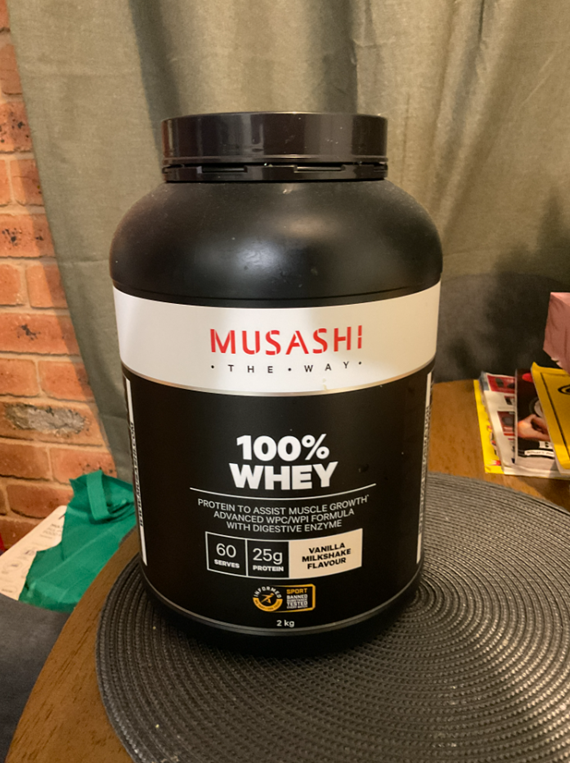
100% whey protein powder is a term you’ll often see on labels. It means the product contains only whey-based protein as its main protein source, and it’s blended with other protein types like soy and casein. However, this doesn’t mean the powder contains only whey. It can still include ingredients like flavourings, sweeteners, emulsifiers, vitamins, minerals, and digestive enzymes to improve taste and texture.
On the other hand, some protein powders contain protein from more than one source. These blended formulas may combine whey with casein, soy, pea, rice, egg, and other plant-based proteins to create different nutritional profiles, digestion rates, or functional benefits, and they aren’t considered 100% whey protein.
Benefits of 100% Whey Protein Supplements
What makes 100 whey protein different is its purity and simplicity. Unlike other protein powders, it contains whey as the only protein source. Since it’s not mixed with other proteins, you get a higher proportion of whey protein per serving.
That said, 100 whey protein supplements are often chosen by athletes who want a concentrated, fast-absorbing protein source without additional ingredients that may alter the nutritional profile. Some may avoid soy because of an allergy or intolerance, and others may already get protein from other sources in their diet and want to supplement with whey.
Different Types
Before mentioning the types, it’s important to understand that “100% whey protein” means the supplement uses whey as its only protein source. It does not refer to how pure or refined the protein is.
Not every 100% whey product is the same. Once whey has been separated from milk, manufacturers can process it in different ways. The level of filtration and processing determines whether the final product is whey protein concentrate, whey protein isolate, or whey protein hydrolysate.
Whey Protein Concentrate
Whey Protein Concentrate is one of the most common forms of whey and typically contains around 70–80% protein. It’s the least processed of the three types. It retains more of the natural components found in whey, including small amounts of lactose, fats, and carbohydrates. Because of this, it often has a richer taste and creamier texture compared to the more refined forms mentioned below.
Despite being less filtered, it is still considered a 100% whey product when whey is the only protein source used. This makes it a popular choice for everyday users, beginners, and those looking for a balanced and cost-effective option.
It digests at a moderate speed, making it suitable for general post-workout use or as a convenient protein boost throughout the day. Its slightly higher lactose content may not suit everyone, but for most users, it provides a solid, complete amino acid profile that supports muscle repair and growth effectively when used consistently.
Whey Protein Isolate
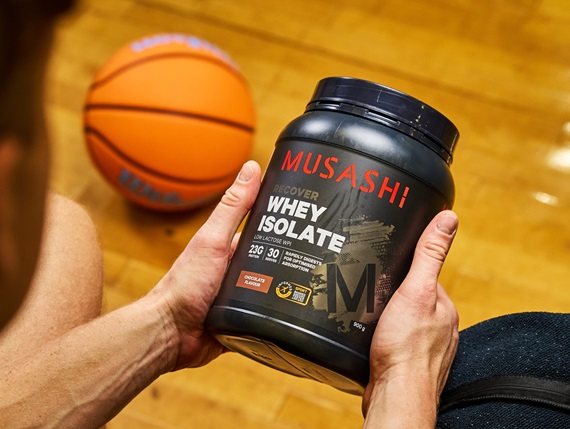
Whey Protein Isolate is a more refined form of whey protein, typically containing around 90–95% protein. It goes through additional filtration processes that remove most of the lactose, fats, and carbohydrates, resulting in a cleaner and more concentrated protein source.
Even though it is more processed, it still falls under the category of 100% whey protein as long as whey is the only protein source in the formula. The difference lies in the level of purification, not the type of protein itself.
Because of its higher purity, whey isolate is quickly absorbed by the body, making it a popular choice for post-workout recovery when fast nutrient delivery is important. It is also lower in calories and easier to digest, which makes it suitable for those who are lactose-sensitive or following lean nutrition plans. Its light texture and smooth mixability make it convenient for everyday use, whether shaken with water or blended into smoothies, without feeling heavy or thick.
Whey Protein Hydrolysed
Whey protein hydrolysed (also known as whey hydrolysate) is a highly processed form of whey protein. It usually contains around 90–95%+ protein, depending on the brand. It is created through a process called hydrolysis, where the protein is partially broken down into smaller peptide chains.
This step makes it one of the quickest-acting protein forms available. Despite this advanced processing, it is still classified as 100% whey protein when whey remains the sole protein source.
Hydrolysed whey is often used in performance-focused sports nutrition where rapid recovery is a priority, such as after intense training sessions or competition. It is also generally easier on digestion, which may benefit individuals with sensitive stomachs. However, due to the extra processing steps involved, it’s usually the most expensive form of whey.