
Powerlifting is built around three lifts: the squat, bench press, and deadlift. The right gear can make training more comfortable, help you feel more secure under heavy loads, and give you a setup that works for your goals. Each piece of gear has a specific purpose. Knowing what to look for before buying can help you build a practical collection without filling your gym bag with unnecessary equipment.
Start with Knee Sleeves
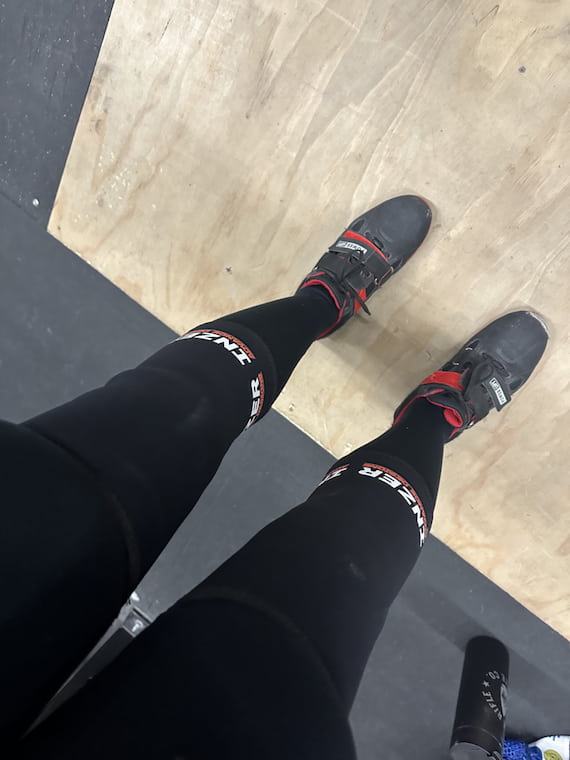
Knee sleeves are among the most useful items in your gym bag, especially if you spend a lot of time lifting heavy weights. They provide compression and warmth around the knee while allowing the joints to move properly and naturally through exercises like squats or deadlifts. Choosing supportive and comfortable weightlifting knee sleeves starts with looking at their weight, fit, thickness, and material.
The sleeves should feel snug against your skin instead of digging into it. Otherwise, they can limit your movements or restrict blood flow. If they’re too loose on your leg, they can slip down during a set and mess with your lifts. If you’re buying online, make sure to check the manufacturer’s size chart, as measurements can vary between brands.
Having a secure fit is crucial because a loose sleeve will move around, and a very tight one can become uncomfortable to wear. When it comes to materials, neoprene is the most common option. It offers the perfect combination of compression, flexibility, and durability.
Thickness also matters as it affects how a sleeve feels. A 5 mm sleeve has more flexibility and freedom of movement, making it a versatile option for regular training. A 7 mm sleeve feels firmer and more supportive, which is better for lifters who want more compression for heavy squats.
Don’t forget about compression. Always look for reinforced seams and durable materials that can withstand a lot of repeated wear. Keep in mind that there are sleeves specifically made for competition and others made for training. For the best fit during training, put your sleeves on before your heavier working sets. Position them securely over the knee without bunching the material behind the joint. They should stay in place as you move through your squat.
Invest in Powerlifting Belts
This type of belt is an important part of your setup, especially during heavy deadlifts and squats. The first things to consider are thickness, width, closure system, and fit. Belts made of leather are very popular for their firm support and durability. Thickness also changes the experience. A 10 mm belt offers a balance of support and flexibility, and a 13 mm one feels more rigid and substantial.
There are lever belts that are practical for consistent fastening and prong belts that allow you to make more adjustments between different settings. Just like the weightlifting knee sleeves, the belt you buy should sit securely on your body without restricting your movement. The main goal is to find a belt that will be a part of your bracing technique.
Don’t Forget About Wrist Wraps
Wrist wraps come in handy when you’re doing squats and bench presses. They help in maintaining a stable wrist position when the weights get heavy. When choosing a pair, pay attention to length, stiffness, fastening system, and material. Flexible wraps are easier to adjust and more comfortable. Stiffer versions give you a more locked-in feel.
Try them on before buying. Your wraps should feel snug and supportive, but never tight enough to cut off circulation or cause numbness in your hands. Test different wrapping tensions during training. You want enough support to keep your wrists stable while still being able to grip the bar naturally.
Try Lifting Straps
Lifting straps are usually associated with pulling movements. They’re useful when heavy weights or high-volume training make it harder to maintain your grip. Cotton straps offer a comfortable feel and a familiar grip. Leather straps are a good option if you prefer a sturdier material that can last longer.
Look for a secure loop and strong stitching so the straps can handle repeated use. To develop a reliable technique, wrap the straps tightly around the bar and practice with lighter weights. Practice makes perfect, so make sure you learn proper technique before doing the heavy lifting.
Buy Proper Powerlifting Shoes
Good shoes are the foundation of every lift. Combined with powerlifting knee sleeves, they’re the perfect base for a successful lift. When choosing these shoes, comfort and stability should be a priority. They can have a flat or raised heel. A flat heel is better if you want a natural lifting position. Heeled shoes are good if you want to achieve a more upright position.
A wide toe box can also give your feet more room to spread and create a stable base. Avoid shoes with highly cushioned soles because they can make your base feel less stable when you have a loaded bar in your hands. It’s better to test the shoes, your stance, foot pressure, and balance before using them for your heaviest lift.
Try On Powerlifting Singlets
Finding a singlet that fits properly can make a big difference in your powerlifting experience. Always check the manufacturer’s size chart because the measurements can be different from one manufacturer to another. Look for durable and stretchy materials that move comfortably with your body.
The straps shouldn’t dig into your shoulders, and the leg openings should stay in place without feeling restrictive. Wear it during training before competition day so you know how it feels through a full session. And of course, check the rules of the federation to confirm the singlet you have is approved.
In Summary
Good powerlifting gear should solve a problem, not just add another item to your gym bag. Focus on fit, construction, materials, and the demands of your training. Start with the equipment that supports your biggest needs, learn how to use it properly, and make sure competition gear meets the rules of your federation. A well-chosen setup can become a reliable part of your training for years to come.