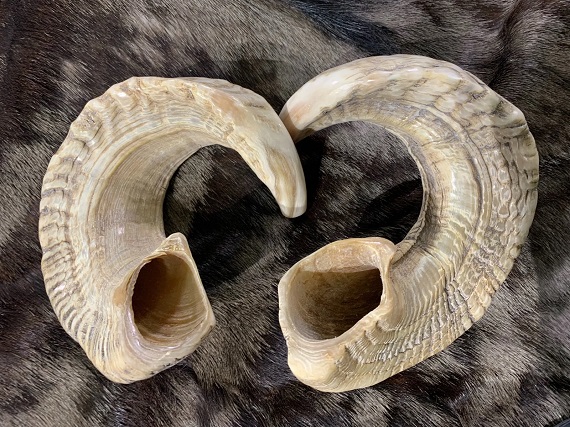

Preparing for the Jewish High Holidays involves more than making practical arrangements. The period of Elul offers an opportunity for spiritual reflection, repentance, and preparing for the meaningful prayers and traditions ahead. One of the most significant symbols of this season is the ram horn, an ancient instrument whose distinctive sound serves as a call to reflection and spiritual renewal. Understanding the different options available can help you find one that suits your needs and preferences.
When preparing for the season, taking the time to buy ram horns that are authentic brings a genuine depth to your holiday observance. This traditional item holds deep religious significance, and its sound is an important part of the holiday’s observance. Buying from a reputable supplier helps you understand where your shofar comes from and whether it meets the requirements for religious use. Not every decorative horn is suitable for ritual purposes, so authenticity and kosher status matter.
Different Types of Shofars
Shofars come in several shapes and styles, each with its unique appearance, sound, and place in Jewish tradition. Some are widely used during the High Holidays, while others offer a less common alternative. Here are five types you may come across when choosing a shofar.
-Yemenite kudu shofars: Made from kudu antelope horns, these shofars are known for their long, spiralled shape and powerful sound. They have strong historical ties to Yemenite Jewish communities and are now popular among Jews worldwide.
-Ram horns: Traditionally associated with the familiar image of the shofar, these horns are particularly popular in Ashkenazi communities. They tend to be smaller than kudu shofars and produce a deeper, more mellow tone. Their natural colours and varied sizes also make each one distinctive.
-Gemsbok oryx shofars: Recognisable by their relatively straight shape and ridged surface, these shofars are made from the horns of the gemsbok, an antelope native to southern Africa and parts of the Arabian Peninsula. They’re an interesting option for anyone looking for something less conventional.
-Eland horn shofars: These shofars have a distinctive twisted appearance and often feature different shades of brown. Although less common, their unusual shape makes them stand out from more traditional designs.
-Decorated shofars: For those who appreciate a more decorative style, some shofars feature silver plating, hand-painted designs, or Jewish symbols such as the Star of David and images of Jerusalem.
Certain designs can also be personalised with a name or message. However, decoration alone doesn’t establish whether a shofar is kosher for ritual use, so check its certification if you intend to use it for the mitzvah of shofar blowing.
Ultimately, when you buy ram horns, you should consider your preferences, the sound you enjoy, and your community’s customs. Since opinions about which types are suitable or preferable can differ, it’s worth consulting a trusted rabbi if you’re unsure which one to choose for religious observance.
Factors to Consider When Buying
Know the Different Styles
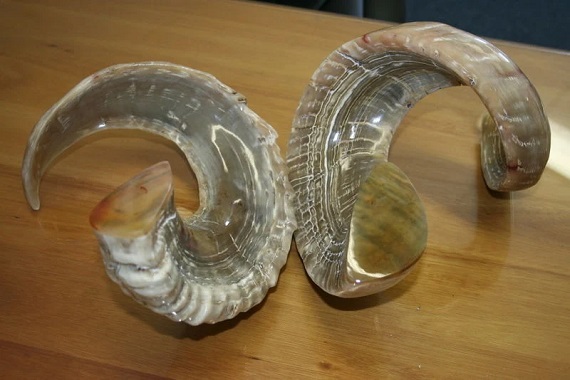
How do I choose a good shofar? Shofars come in different shapes and styles, reflecting the traditions that Jewish communities have preserved across generations. Real ram horns are especially common among Ashkenazi Jews, while the distinctive spiral kudu shofar has strong roots in Yemenite Jewish tradition. As communities migrated and settled in new places, they carried these customs with them, helping different shofar styles become popular around the world. When choosing one, you might prefer the type traditionally used in your community or opt for a design that appeals to you personally. If you’re buying a shofar for religious observance, it’s also worth checking with your rabbi about your community’s customs.
Consider Size
When shopping for a shofar, pay attention to its actual measurements rather than relying on labels like ‘small’ or ‘large.’ Keep in mind that the length is measured along the horn’s curve, not in a straight line from end to end. Size can affect how easy the ram horn is to blow. Larger horns generally have wider mouthpieces, which may make them easier for beginners to use and help produce a range of tones. Consider both the dimensions and your experience level before making your choice.
Check How It Sounds
The sound of a shofar is shaped by its size and the way you blow into it. Unlike instruments with finger holes, a shofar relies on breath control and pressure to produce different tones. Larger shofars generally create deeper sounds, while smaller ones tend to have a higher pitch. If possible, listen to a few different shofars before buying one to find a sound you like. Keep in mind that your technique also plays a role, so choose a horn that feels comfortable to blow, especially if you’re a beginner.
Natural vs. Polished
Shofars are available in natural, polished, and partially polished finishes, so think about which look appeals to you most. Some, particularly Yemenite kudu shofars, feature a smooth lower section paired with a more natural upper surface. Since every ram horn has its unique colours, patterns, and markings, no two are exactly alike. Take a close look at the product photos and description to find a finish that suits your taste.
Choosing a good shofar comes down to finding one that suits your preferences while respecting your community’s traditions. Pay attention to its authenticity, size, sound, and finish. Don’t hesitate to ask a trusted rabbi for guidance if you’re buying one for religious use. With a little care, you can find a shofar that feels right for the holidays and honors the meaning behind them.