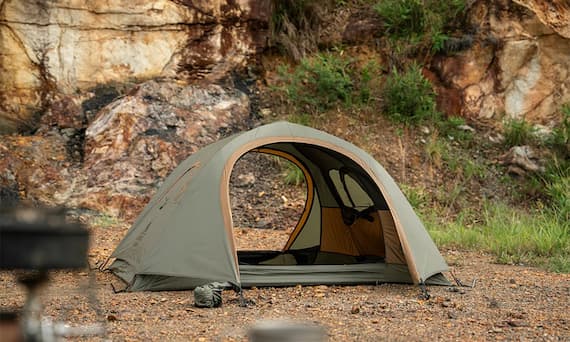

Planning a camping trip or thinking about heading out on your first backpacking adventure? Before you pack your bags and hit the trails, take time to find a tent that fits the trips you have in mind. With so many designs, sizes, and features available, choosing the right one can feel a little overwhelming, especially if you’re new to camping. Some designs are made for lightweight travel, while others prioritise extra room, weather protection, or comfort at the campsite. The trick is knowing which features matter most for your plans and budget. I’ll walk you through the key considerations when purchasing, so you can choose with confidence and enjoy your time outdoors.
Important Features to Consider
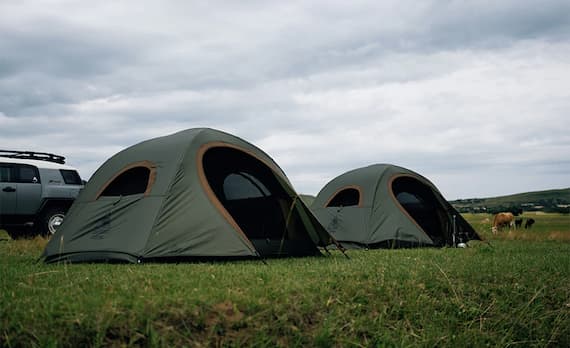
What are some tips for buying a tent? Choosing the right design deserves some thought, especially if you’ll be carrying it on long walks or spending several nights outdoors. It needs to be comfortable enough to sleep in while remaining practical for transport and set up. Here are a few features worth comparing before you buy:
- Weight: If you’re backpacking, every extra kilogram matters. Look for a lightweight camping tent that’s easy to carry without compromising too much on protection or comfort. The less weight you’re hauling, the easier it is to walk comfortably and save energy for the rest of your journey. Just make sure the design is still sturdy enough to handle the weather and conditions you’ll encounter along the way.
- Double-layer construction: Separate inner tents and outer flysheets help manage condensation and provide an extra layer of protection against the weather.
- Ease of pitching: A straightforward setup saves time and effort when you’re tired or dealing with poor weather. Consider how stable the design will be in windy conditions.
- Interior space: Think about how much room you’ll need for sleeping and storing your gear. Even solo campers may appreciate a two-person model for a little extra space.
- Price: Set a realistic budget and compare features within your price range. A higher price doesn’t automatically mean a tent is the right choice for your needs.
Ultimately, the best option is one that balances portability, weather protection, and comfort without stretching your budget. Think about where and how often you’ll use it before deciding which features are worth paying extra for.
Questions to Ask
Before settling on a camping tent, consider what your trips will look like. Will you be heading outdoors every weekend or only taking the occasional trip? If you expect to camp in rain, strong winds, or colder temperatures, you’ll need a design that can handle those conditions. Think about how quickly you can put it up, how many people need to fit inside, and whether there’s enough room for your gear. Your budget matters, too, as does the way you’ll transport it. A backpacking design needs to be lightweight and compact, while one you’ll carry in a car can offer more space and comfort. Matching your choice to your usual trips will help you avoid paying for features you don’t really need.
The Design of Your Tent
Beyond its weight and capacity, look at how the tent is made. Small details can affect how easy it is to use, how well it holds up, and how comfortable you’ll be outdoors. Pay attention to:
- Size and layout: Check the sleeping area, headroom, and available storage space to make sure there’s enough room for everyone and their gear.
- Pole design: Aluminium poles are generally lightweight and sturdy, while fibreglass options can be more affordable. Consider how easily the frame assembles.
- Materials: Look at the fabric used for the body and rainfly, as well as the mesh panels. These affect weather protection, ventilation, and overall weight.
- Zippers: Smooth-running, sturdy zippers make it easier to open and close doors and storage areas without snagging.
- Stitching: Neat, reinforced seams can help prevent weak points and improve the tent’s overall durability.
- Single or double-wall construction: Single-wall designs can save weight, while double-wall models have a separate inner layer and rainfly that can help manage condensation.
These construction details are worth checking before you buy, particularly if you plan to camp regularly. A well-designed shelter should be easy to handle and offer dependable protection in the conditions you’re likely to encounter.
Tent Capacity
Think about how much room you’ll need, rather than choosing a tent online based only on the number of people sleeping in it. Even if you’re travelling alone, a little extra space can be useful for storing a large backpack, keeping a pet comfortable or simply having more room to move around. Keep the tent’s weight in mind, too, especially if you’ll be carrying it over long distances. Your plans also matter: a lightweight summer model may be perfectly suitable for a family holiday. Longer hiking trips call for something more compact and sturdy enough to handle changing weather.