
Car upgrades come in different shapes. For improved handling and road holding, consider upgrading the stock suspension and slapping on low-profile rubber. If power is a key concern, prep engines with high-flow air intakes and matching performance exhausts. These optimise combustion efficiency by aiding airflow in and out of the engine, increasing power and torque.
Why Upgrade From Your Stock Exhaust?
Factory exhausts prioritise low costs, strict emissions, and noise regulations over performance. Built from narrow, crush-bent mild steel, they create massive backpressure bottlenecks. When you add restrictive high-cell catalytic converters and muffled resonators into the mix, exhaust velocity plummets—leaving your engine struggling to breathe.
Benefits of Performance Systems
Upgrading to a performance exhaust system maximises engine efficiency and longevity by replacing restrictive, budget-friendly factory setups with advanced engineering and premium materials. High-quality performance exhausts for cars provide tangible benefits, including:
- Power and torque gains: With fewer restrictive parts and layouts optimised for exhaust velocity, engines can produce higher power and torque figures. Estimates for full systems are 10 per cent of rated engine power, ensuring easier acceleration, effortless overtaking, and more torque for inclines and towing tasks.
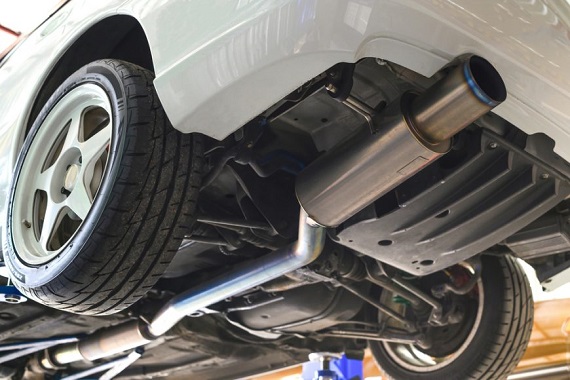
- Increased longevity: Mandrel-bent stainless steel piping has higher tensile strength, lasts longer in pressure and heat spikes, and is leak and puncture-resistant. High corrosion resistance also prevents rusting and staining.
- Customizable sound profiles: Improved airflow creates a deeper, louder exhaust note. To customise this sound profile, tuners and car owners can use specialised components like chambered mufflers and high-flow catalytic converters. Proprietary technologies, such as active muffler valving, are used to adjust airflow based on engine load. These setups can be tailored for daily street use or built strictly for the track.
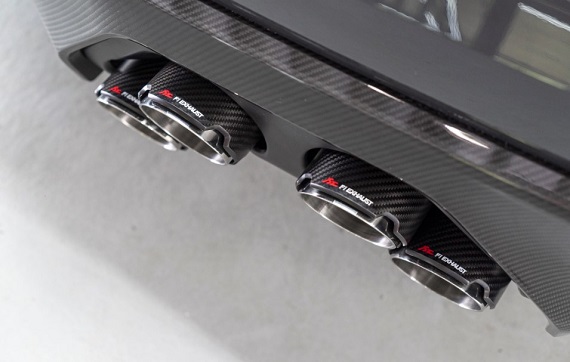
- Aesthetics: The choice of materials directly impacts your exhaust’s overall appearance. Treated stainless steel serves as the entry point for power-boosting aftermarket systems, offering finishes like brushed satin, gloss polished, or matte sandblasted. For a premium upgrade, owners can step up to semi-reflective titanium or race-inspired carbon fibre.
Aftermarket Configurations
Manufacturers bundle components in three distinct configurations. Axle-back exhausts are a budget-friendly aftermarket upgrade that replaces factory mufflers and tailpipes. The layout helps tune the exhaust note, reduces end backpressure and provides minimal power gains.
Cat-back systems on gas cars and DPF-back exhausts on diesel vehicles add wider mid-pipes after the catalytic converters and particulate filters, improving flow and efficiency. Choose these for more responsive throttle and a deeper, louder sound. Both configurations benefit from fast installation and parts attached directly to the factory recesses, without having to tune the vehicle’s ECU.
For serious power and torque increases, look to header and turbo-back systems. These include completely revised piping from the exhaust manifold or turbo outlets. Choose these for considerably improved flow, maximum engine efficiency and significant power and gains throughout the entire engine power band. Pairing this with an aftermarket cold air intake and flash tuning the engine for fueling and timing provides a power bump of up to 35 percent, even before touching the turbo or internals.
Upgrading Individual Components
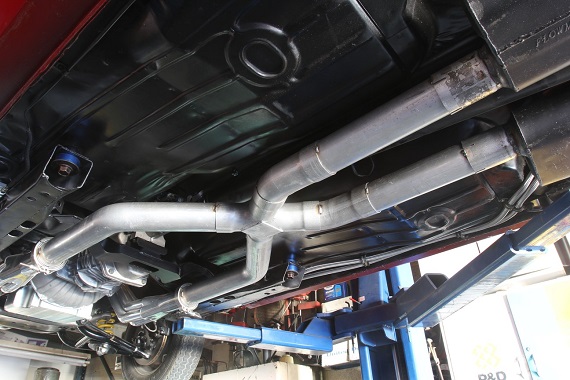
For a budget-friendly power boost, car owners can upgrade individual factory exhaust components rather than replacing the entire system. Upgrading headers and manifolds draws spent gases out of the combustion chamber faster, while choosing between X-pipes and H-pipes lets you customise your power and sound. The former boosts high-RPM horsepower with a raspy tone, whereas the latter maximises low-end torque with a deep muscle-car rumble.
For forced-induction vehicles, wider and straighter performance downpipes significantly improve flow. Finally, you can eliminate harsh cabin drone and smooth out the sound by swapping to less-restrictive, straight-through mufflers and resonators in easy slip-on designs.
Materials, Sizing and Fit
Materials dictate a system’s durability, weight, heat tolerance, and sound profile. Stainless steel grades 304 and 409 offer strong corrosion resistance, aluminised steel provides budget-friendly longevity for dry climates, and titanium or nickel alloys deliver maximum heat and impact resistance while cutting significant weight for a sharper exhaust note.
Exhaust sizing depends directly on pipe diameter. To maximise performance, look for an exhaust that is half an inch wider than the stock setup. This extra width optimises exhaust flow while maintaining the necessary backpressure for proper turbo spooling. While 3-inch piping is standard for most vehicles, larger V8 engines typically perform better with a 3.5-inch diameter. Finally, ensure the system integrates smoothly into your vehicle’s existing undercarriage recesses and comes complete with all required installation hardware, like brackets and mounts, to eliminate cabin vibrations.
These cut installation times by eliminating the need for drilling, cutting and welding, ensuring all tubing is correctly aligned, adequately clears the chassis and prevents heat damage to surrounding parts. For a cleaner fit and all the benefits mentioned above, have performance exhaust systems and separates fitted by a professional installer.