
Firearms have played an important role in hunting, sport shooting, collecting and various historical traditions. Over the years, their designs have evolved considerably, reflecting advances in manufacturing, changing applications and improvements in mechanical engineering.
From traditional black-powder designs to contemporary rifles, each category has distinct characteristics that influence its construction, historical significance and intended purpose. Today, firearms encompass a broad range of designs, including rifles, shotguns, handguns and air-powered alternatives.
While some are associated with sporting activities, others hold considerable historical and collectable value. Understanding these distinctions provides a useful starting point when exploring the different types available.
Exploring the Firearm Selection
The selection of fire arms available today reflects centuries of development. Antique black-powder firearms, for instance, represent some of the earliest approaches to portable firearm technology. These designs use black powder as a propellant and generally rely on older ignition and loading systems. Their historical significance, traditional construction and mechanical differences make them particularly interesting to collectors.
Another notable category includes military-era rifles, particularly those associated with the Second World War. These reliable fire arms represent an important period in manufacturing history, when military requirements influenced standardisation, production methods and mechanical design. Their historical background, original markings and surviving condition can all contribute to their collectable appeal.
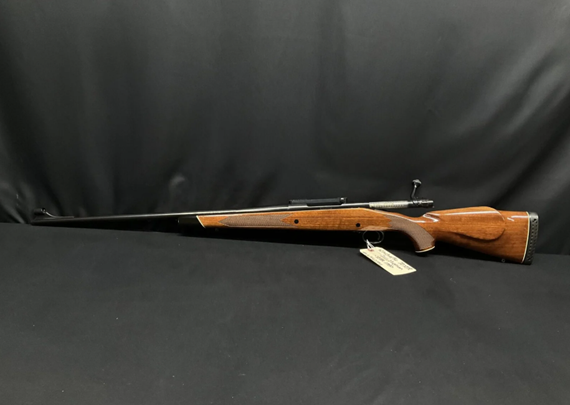
Modern firearms, meanwhile, incorporate developments in manufacturing precision, materials and overall construction. Contemporary sporting rifles can feature synthetic or wooden stocks, metal receivers and different sighting arrangements. Such developments reflect changing expectations surrounding durability, ergonomics and long-term reliability.
The Variety
Not all models operate in the same way, and understanding their main classifications helps clarify the differences between available options.
- Rifles: Designed with internally rifled barrels, these firearms impart rotational movement to projectiles. They are commonly associated with hunting and target shooting.
- Shotguns: Generally use smoothbore barrels and are designed to discharge shotshells or, in certain configurations, single projectiles. They have longstanding applications in hunting and sporting disciplines.
- Handguns: Include pistols and revolvers, distinguished by their compact, handheld construction. Their classification and legal requirements vary widely by jurisdiction.
- Black-powder firearms: Use traditional black powder instead of modern smokeless propellants. They include historical muzzleloading and other traditional designs.
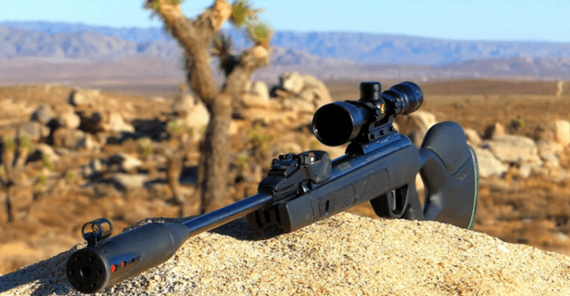
- Air rifles: Use compressed air or gas rather than conventional firearm propellants. Depending on their power and configuration, they are used for recreational shooting and certain sporting applications.
Finding a Suitable Option
When comparing different firearm models, calibre, action type, barrel configuration, stock material and overall condition are among the characteristics commonly listed in firearm descriptions. Historical examples require particular attention to originality and preservation.
Collectors may consider if original components remain intact, if modifications have been made and whether visible wear is consistent with the firearm’s age. Provenance and historical documentation can also provide valuable context, particularly when evaluating older military-era pieces.
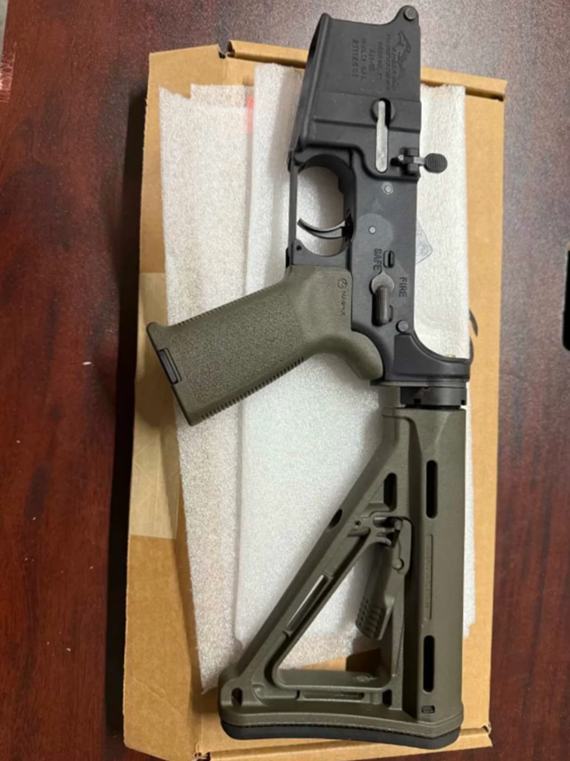
For contemporary rifles, manufacturing details and the condition of mechanical components are important considerations. Materials such as steel and synthetic polymers serve different purposes, with metal components providing structural strength and polymer stocks offering an alternative to traditional wooden construction.
Air rifles deserve separate consideration because their operating principles and performance characteristics differ from those of conventional firearms. Their power source, construction and intended application should be understood before comparing them with other categories.
Responsible ownership involves more than selecting an appropriate firearm. Proper documentation, maintenance and secure storage are essential parts of the process. The following considerations are particularly useful:
- Verify the classification: Consult the relevant government firearms authority to establish whether a particular model is classified as non-restricted, restricted or prohibited.
- Request condition documentation: For used and antique firearms, seek information about their history, modifications, corrosion and overall condition. Have uncertain examples assessed by a qualified gunsmith.
- Prioritise secure storage: Follow applicable regulations concerning unloaded storage, locking devices, secure containers and ammunition separation. Requirements can differ according to firearm classification.
- Understand maintenance requirements: Different designs require appropriate cleaning products and preservation methods. Black-powder firearms, for example, have distinct residue-related maintenance considerations.
- Confirm transfer procedures: Check licensing, registration and dealer requirements before arranging a purchase, particularly when buying across international borders.
In Canada, the Royal Canadian Mounted Police distinguishes between non-restricted, restricted and prohibited firearms. Its guidance also specifies different storage and transportation requirements depending on classification. For non-restricted firearms, for example, secure storage requires the firearm to be unloaded and either rendered inoperable or kept in a securely locked container, receptacle or room.
Preserving a Tradition and a Legacy Worth Exploring
Firearms represent an interesting intersection of engineering, sporting history and mechanical craftsmanship. From antique black-powder pieces and historically significant military rifles to contemporary sporting designs, their variety reflects generations of technological development.
Whether exploring them for historical interest, collecting or sporting purposes, understanding their characteristics and legal responsibilities makes the experience more informed. Careful research, professional guidance and responsible ownership remain essential, ensuring that the appreciation of these longstanding designs goes hand in hand with safety and respect for the law.