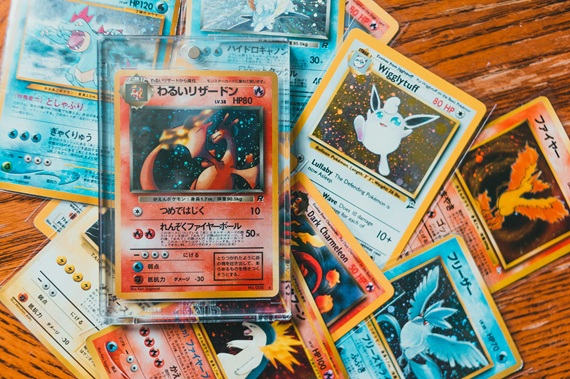

The cards are crisp, the artwork’s gorgeous, and every pack makes you say, “This has to be the one.” Opening a Japanese Pokémon booster box with the shrink wrap cut is a thrill, but the reality is you don’t want to be guessing what you’re getting after you’ve already bought it. So here’s the scoop on pack odds, rarities, and pull rates without the information overload.
The Basics: Packs and Cards
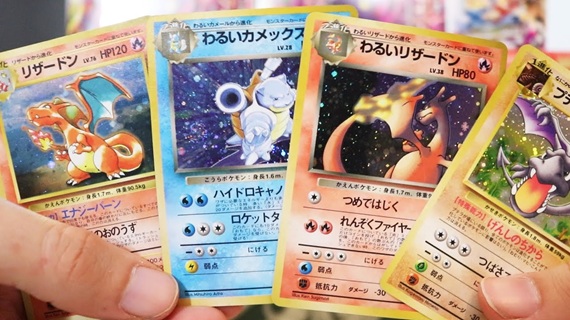
A Japanese booster box has 30 packs, with 5 cards per pack, totalling 150 cards. An English box has 36 packs, with 10 cards to a pack, totalling 360 cards. Smaller, sure, but it doesn’t seem smaller. Japanese packs usually don’t include the basic Energy or online code cards, so almost all of the cards are a Pokémon, a Trainer, or something shiny. Less filler, more good stuff.
Premium “high-class” sets sometimes contain larger packs, mostly with 10 cards per pack, and with different numbers of packs per box. Make sure you read the description of the product carefully before purchasing.
Rarity Ladder (a.k.a. The Secret Code)
Japanese sets have a small letter code to indicate how rare a card is, which can look confusing until you learn what each letter stands for. Here’s the cheat sheet: C and U (Common and Uncommon): The mainstay. You’ll churn out plenty of these.
- R (Rare): A step up, often with a holo finish.
- RR (Double Rare): Your special profile Pokémon, including ex, V and VMAX cards of various generations.
- SR (Super Rare): One unique full-art card, new art of an already released Pokémon, and a handful of good Trainer pictures.
- AR (Art Rare): Beautifully illustrated cards of Pokémon in all kinds of poses doing cute things. Many collectors prefer these over the more showy cards.
- SAR (Special Art Rare): The headliner of most new sets. Imagine card-wide full-art that looks extra special.
- UR (Ultra Rare): Often gold-themed and the most difficult to pull. Older sets also had their variations, such as HR, CHR and CSR.
The perfect selection in Japanese Pokémon TCG booster boxes varies from set to set, so look at the set’s rarity list briefly before purchasing.
So, What Are the Pull Rates?
And now for everyone’s favourite news: the Pokémon Company does not publish pull rate statistics. The stats you see floating around the internet are crowd-sourced by fans counting their own box openings, and they vary wildly. Very loosely, your typical box will yield a tall stack of commons and uncommons, a few Double Rares, a handful of Art Rares, and approximately one Special Art Rare, give or take. Ultra Rares are the outliers, and a lot of boxes won’t have one. Think of these as a general rule of thumb, not a hard promise. One person opens a box with three SARs. One opens a box with zero. That’s the game.
Some factors impact your odds:
- The set itself. Some are generous with illustration cards, and some are stingy.
- Pack size. Bigger high-class packs change the math compared to standard 5-card packs.
- Luck. Boxes are randomly collated, so no two are guaranteed to match.
Why Are They So Popular With Collectors?
Most of the attraction behind buying Japanese Pokémon TCG booster boxes is the condition of the cards themselves. Japanese cards boast high-quality printing and sparkling borders and holograms. And with just five cards per pack, opening is a special experience in itself – you spend time examining each card. The boxes are a useful way for players to acquire available cards, such as Double Rares and Trainers, which might be part of the foundation of their deck. Just keep in mind that the cards will be in Japanese and may not be legal at all English-language tournaments.
Tips on Purchasing
- Counterfeit products and resealed boxes are out there, so buy from a reputable dealer.
- Verify the name and code of the set once again – it’s surprisingly easy to mistake the product.
- Look at the wrap when it arrives. It should be pretty tight, without any tears or holes.
- Have an idea of what you want. Want to have some fun cracking it open? Any properly wrapped box will work. Want to preserve it for collection purposes? There’s more stuff to think about.
- Keep it stored wisely. Don’t expose it to sun, heat or humidity.
In a Nutshell
A Japanese Pokémon booster box contains 30 packs of 5 cards each, a special ladder starting from commons and ending with incredible Special Art Rares and Ultra Rares. The pull percentages are not official; there is an element of chance in it, but now you know what to expect.
Whichever way you use your booster boxes – be it searching for a card in full art, building decks, or simply ripping packs for fun – the experience delivers. Just pick out which set you enjoy and have fun.