
Starting out in backpacking can feel overwhelming. There’s gear, food, clothes, and all of it seems essential. But packing smart is less about taking everything and more about bringing what you really need. By learning about the true essentials, you won’t get overwhelmed and bring things you don’t need.
Tent

When it comes to backpacking, your shelter is one of the most important pieces of gear you will carry. Unlike camping, where you don’t have to worry about the tent’s weight, when you’re going backpacking, this is a very important consideration. You’ll need to choose one from the lightweight and durable backpacking tents on the market. Something you can carry with ease, but still be able to protect yourself from the elements.
You’ll be carrying everything on your back, so you want a tent that won’t add unnecessary kilos. Look for tents specifically designed for backpacking. They’re made of lighter materials and poles and pack down small to fit neatly inside the backpack or be strapped to it. A lightweight and compact tent can make a big difference when you’re on a long trail.
Size matters as well. It might be tempting to go for the smallest one possible. But keep in mind that while backpacking, you’ll need enough room to sleep comfortably and store all of your gear in one place. If you’re travelling solo, a one-person tent will be enough. If you need some extra space, go for a 2-person tent.
Some tents come with vestibules. They’re sheltered areas outside the main sleeping space. They can keep your belongings dry without cluttering your sleeping area. Weather resistance is key. The tent should have a rainfly, so you’re shielded from rain and wind. Make sure the floor is made of waterproof materials, so you won’t sleep on moist ground.
Good ventilation will help you stay dry and comfortable. With enough airflow, you’ll get plenty of fresh air and no condensation. Last but not least, look for a tent that’s easy to set up. You don’t want to struggle with a complicated tent when you’re tired after a long day of walking. Simple pole systems and clear instructions are everything you need.
Clothing
If you want to stay comfortable and safe on the trail, you should have the proper clothing. The best advice is to dress in layers. The base layer should be made from moisture-wicking material that will pull sweat away from your skin. In this case, stay away from cotton because it retains moisture and can make you chill.
On top of the base layer comes the insulating layer. The best materials in this case are merino wool and fleece. They trap heat but are still breathable, so you don’t overheat while being physically active. The last layer should be waterproof and windproof and protect you from the elements such as rain, snow and wind.
Don’t forget accessories. A lightweight beanie and gloves are small but essential items. They’re a must, especially if you’ll be camping at higher altitudes or in cooler weather. Always pack extra pairs of socks and think about bringing a packable down jacket for more warmth. The main thing is to have all the layers and stay cozy and comfortable.
Food and Water
Fueling your body well is critical when you’re out on the trail. Just like backpacking tents, you’ll need food that’s lightweight and will fit easily in your backpack. Also, look for food that’s dense in calories. Dehydrated meals are some of the most popular options. They’re easy to pack, and all you need is boiling water.
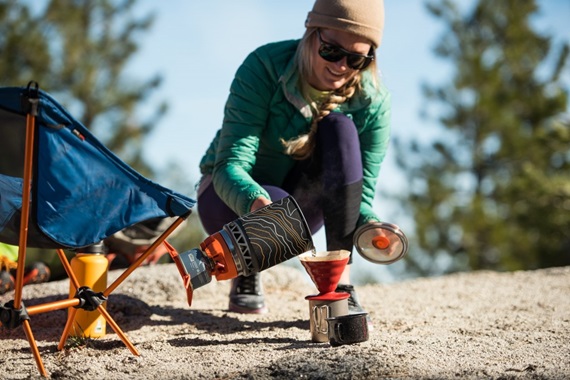
Some common choices are nuts, trail mix, dried fruit, energy bars, jerky and many more. They’re the perfect mix of carbs, protein and fats. If you want to cook on your trip, then bring a backpacking stove. There are small gas canister stoves or alcohol stoves that won’t add much weight but will let you prepare hot meals and drinks.
Water should be your priority. Always bring enough and have a plan for refilling. Water sources can be unpredictable, so pack a reliable purification method. This includes purification tablets, filters or a UV light purifier. Drink water regularly, even if you don’t feel thirsty. You’ll avoid dehydration and feel much better.
Navigation and Safety

It doesn’t matter if you’re going on a well-marked trail or you’ve already been in the area, it’s always a good idea to bring navigation and a few safety tools. Bring a map and a compass. GPS devices and phone apps can fail you because of their short battery life. Knowing how to use a map and compass is a vital skill that could save you in tricky situations.
A headlamp with some extra batteries is a reliable source of light. Bring one with you because you’ll probably need it. You’ll stay safe and can set up camp even if it’s dark outside. A first aid kit is also a must-have. Make sure it’s well-stocked and adjusted to the needs of the area.
The essentials are bandages, antiseptic wipes, blister treatments, pain relievers and personal medication. Some of the other safety items are an emergency whistle, good sunscreen to protect you from the UV rays and insect repellent to keep bugs away. These are the small things that can make a big difference. Plus, they won’t take up too much space in your camping tent.
Small Essentials
Sometimes, small things can make your backpacking trip more convenient. For example, a multitool or a small knife is very handy. You can use it to prep food, repairs, cutting and much more. Pick one that has more tools, such as screwdrivers, scissors, wrenches, tweezers, etc. A lightweight towel can help you dry off after rain or washing up.
Don’t forget a toilet kit. It should include a small trowel for digging catholes, biodegradable toilet paper or wipes, and sealable bags to pack out used items if necessary. Good hygiene is important to stay healthy and respect the environment. Last but not least, Ziplock bags to stay organized and protect your belongings.
In Summary
You don’t need the fanciest or most expensive gear to enjoy backpacking. Start with reliable basics that suit your trip and your body, and you can always upgrade as you gain experience. Packing light but prepared will make your first adventures safer and much more enjoyable.