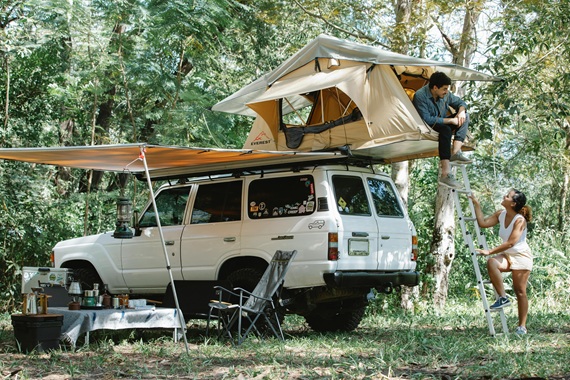

Camping may be about escaping the noise, slowing down, and reconnecting with nature. But true relaxation only happens when you feel safe and well-prepared. Protection from the outdoors is more than watching for wildlife. It encompasses weather preparedness, insect control, campsite security and reliable shelter. A safe and enjoyable camping experience hinges on proactive decisions, from the gear you choose to how you store food, manage fires, and handle changing conditions.
Protection from the Elements

Utilizing Vehicle Awnings from Extended Coverage
Few pieces of camping gear offer the versatility, comfort and protection of vehicle awnings. These multifunctional shelters attach to your vehicle, creating expansive covered spaces that transform your camping experience. Whether you’re cooking breakfast during a drizzle, relaxing through mid-afternoon heat, or seeking wind relief on exposed terrain, protective overland awnings excel at making the outdoors more livable.
An overland awning mounts directly to the roof rack or side panels of your car or SUV. Once deployed, it extends outward to form an instant outdoor living area that’s shaded, dry and structurally reliable. Unlike standard tarps, car awnings are designed to integrate seamlessly with your vehicle, allowing for rapid setup and breakdown. This makes them ideal for road trips, overlanding, beach camping and any adventure where mobility matters.
One of the biggest advantages of these overland awnings is their ability to protect you from unpredictable weather. When heavy rain sweeps in, the wide canopy shields your cooking area, chairs and gear, keeping everything dry. Add-on side walls or wind skirts further enhance your shelter by blocking horizontal rain and gusty winds that would normally disrupt camp life. This transforms your camp kitchen or lounge space into a comfortable, weather-resilient hub.
Sun protection is equally important. Most high-quality vehicle awnings for sale are rated with UPF protection, meaning they block a significant amount of harmful ultraviolet rays. This coverage is essential between 10 AM and 4 PM, when the sun is strongest, and heat exposure is at its peak. Awnings provide a cool retreat for eating, reading, prepping gear, or simply relaxing without overheating.
The biggest lifestyle benefit is how an awning expands your usable campsite. Rather than being confined to your tent or vehicle during bad weather, you gain a large shelter zone that encourages movement, interaction and comfort. In warm climates, it becomes a breezy shade room. In rainy weather, it’s your sanctuary. When insects are an issue, the addition of mesh walls creates a protected bug-free enclosure ideal for meals or relaxation.
Primary Shelter Integrity
Tent Selection
While awnings provide excellent auxiliary shelter, your primary sleeping space must be equally reliable to stay warm in cold seasons and cool in warmer ones. Choosing a durable, waterproof tent rated for your expected conditions. Three-season tents for mild environments and four-season models for snow, wind exposure or alpine climates.
Proper Setup Matters
Even the best tent can fail if not set up correctly. Always use guylines, stakes and tension straps to ensure stability in wind or rain. Proper tension prevents sagging, leaking and structural instability.
Ground and Moisture Management
Moisture is often an underestimated hazard in the outdoors. A simple barrier, like a ground tarp under your tent, can prevent water from wicking up from the soil. Choose elevated, “high and dry” campsites to avoid valleys or depressions where water collects. Heavy overnight rain or unexpected runoff can flood poorly positioned camps, making elevated ground one of the smartest decisions you can make.
Protection from Wildlife and Insects
Food Storage Security
Wildlife encounters are usually preventable with proper food storage.
- Bear safety: Use bear-proof canisters, hang food bags from trees, or store all scented items in a locked vehicle or designated locker.
- Camp kitchen logic: Never cook or store food near a sleeping area. Keep preparation zones at least 60 metres away from your tent whenever possible.
Insect Defence
Physical barriers are your first defence. Ensure tents, screens and sleeping bags are free from holes and always keep zippers fully closed. When insects are abundant, screened rooms or mosquito nets under the awning create a comfortable, bug-free dining or lounging space.
Camp Safety and Security

Fire Safety and Management
Before lighting any fire, check local regulations for bans or permit requirements. Use designated fire rings or portable fire pits to minimize risk. When extinguishing, follow the golden rule: drown, stir, drown. Never leave until the ashes are cold to the touch. Keep water and a shovel on hand for emergencies.
Personal and Gear Security
While nature is peaceful, campgrounds can attract opportunistic theft. Always lock your vehicle and keep valuables out of sight. Use solar motion-sensor perimeter lights to deter nighttime visitors.
Emergency Communication and First Aid
A proper first aid kit should include treatments for burns, blisters, cuts, allergic reactions, and bites. Tailoring it to your environment ensures you’re ready for the unexpected.
Preparation for a Peace of Mind
Preparation is not tedious. It is the foundation that lets you fully disconnect and embrace the quiet beauty of nature. With the right gear and mindful habits, your campsite becomes a haven where comfort, security, and adventure coexist.

