In an era where streaming dominates music consumption, it may seem that the CD player is a thing of the past. But for many music enthusiasts and audiophiles, the compact disc still holds a special place. CDs deliver consistent, high-quality sound without the compression common in digital streaming.
They also offer the satisfaction of physical ownership and give access to a massive library of recordings, many of which can’t be found online. Today’s devices differ in build, sound quality, and functionality, from simple all-in-one units to advanced audiophile machines.
Different Types of CD Players
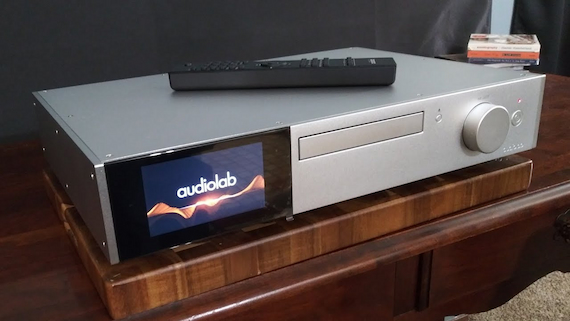
What are the different CD player types? Before you get caught up comparing features and specs, it helps to understand the main types available and what they’re best suited for. Each option caters to a slightly different way of listening, so it’s important to match the category to your habits.
-Standalone hi-fi units are built for home setups where sound quality matters most. You pair them with separate amplifiers and speakers. They usually offer better components and a more refined listening experience.
-All-in-one systems bundle everything together in a single unit. They’re ideal if you want something simple, compact, and easy to use without filling your space with extra gear.
-Portable models are making a quiet comeback. Modern versions often include Bluetooth. They let you enjoy your discs through wireless headphones while on the move.
-CD transports are aimed at listeners who already own high-quality audio equipment. These focus purely on reading the disc accurately and rely on an external DAC for sound conversion.
Once you know which style fits your lifestyle and setup, it’s easier to choose the right option from the assortment of CD players available.
Build Quality
When a disc is spinning at speed, even small vibrations can interfere with how smoothly the music is read. When you choose precision-built CD players, you get a sturdy, weighty body. This keeps the process steady, which helps the laser do its job accurately. Well-made models are designed to minimise movement and handle discs with care. The result is more reliable playback, cleaner sound, and a device that feels like it’s built to last rather than wear out after a few years.
Sound Quality
The way in which the digital information is turned into music shapes the sound you hear. That job belongs to the Digital-to-Analog Converter, or DAC, and it plays a big role in overall audio quality. More affordable models rely on simpler converters that get the job done without much flair, while better options use more advanced technology.
Advanced players have a higher-grade DAC. These can handle richer detail and smoother sound reproduction, which is especially noticeable through good speakers or headphones. Some designs also allow you to connect an external converter later. This gives you room to upgrade without replacing your entire setup. When you’re comparing options, pay attention to the DAC inside.
A well-tuned CD music player can also be a great companion when you’re learning to play the keyboard. Clear, balanced playback makes it easier to hear timing, chord changes, and subtle dynamics, which helps when you’re practising along with tracks or training your ear. The sound quality makes a big difference in how enjoyable and useful your listening experience becomes.
Connectivity
These days, CD players can easily slot into the rest of your setup. The right connections let you pair it with amplifiers, speakers, or even headphones without hassle, and some models give you the flexibility to use external audio gear down the line. Others go a step further and let you play music from a USB drive or connect to a computer, which can be surprisingly handy. Thinking ahead about how you listen can help you choose a device that fits your system.
Extra Features
A few thoughtful extras can improve your experience with music CD players. Depending on how and where you listen, these added touches can make a basic setup far more flexible and user-friendly.
-Multi-disc loading: Some models still allow you to queue up several albums at once, which is great for long listening sessions without constant disc swapping.
-Flexible playback options: Program, repeat, shuffle, and resume functions let you listen your way rather than sticking to a rigid track order.
-Wider format support: Certain units can handle compressed files or specialty discs, making them useful if your music collection isn’t strictly standard audio CDs.
-Wireless connectivity: Built-in Bluetooth can be a nice bonus for pairing with wireless headphones or blending physical media into a modern setup.
-Easy control: Remotes or companion apps add everyday convenience, especially when the player is part of a living room system.
Compatibility
The way CD players sound will always depend on the gear around them. Even the best unit can fall flat if it’s paired with speakers or an amplifier that can’t keep up, because sound quality is only as strong as the weakest part of the system. It’s also worth thinking about how well your components “get along.” Certain brands are designed to complement one another, and that sense of balance matters if you enjoy focused, critical listening.
Your room also plays a role. Hard floors, bare walls, and reflective surfaces can bounce sound around and change what you hear more than you might expect. If you can, try listening to the player with equipment that you already own. A proper audition in a listening room gives you a far clearer idea of how everything will work together in real life.