
Saltwater fishing has a way of pulling you in. One cast from the shore or a quiet drift offshore, and you’re hooked. Still, success out there isn’t just about luck. The water has its own rules, and the gear you bring plays a big part in how the day unfolds.
If you’re a casual angler, it helps to know what’s essential and what boosts your odds. Some equipment you can’t skip, while other pieces aren’t strictly necessary but can lift your results and make the experience smoother. Here’s a practical look at what you should pack before heading from shore to sea.
Must-Have Gear
Rod and Reel Combo
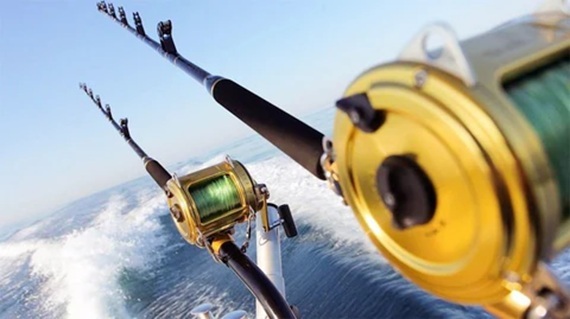
It goes without saying you can’t head out to fish without a rod and reel. This is the backbone of your setup. In saltwater, your rod and reel combo needs to handle shifting tides, strong currents and hard-fighting fish. At the same time, it should stay sensitive enough to detect subtle bites.
Look for a saltwater-rated combo with corrosion-resistant components, such as stainless-steel guides and a sealed reel. A medium to medium-heavy rod suits most casual anglers, offering versatility from shore, pier or boat. Pair it with a smooth drag system that releases line evenly under pressure. Balance matters too. A combo that feels comfortable in your hands will reduce fatigue and help you fish longer with better control.
Monofilament Fishing Line
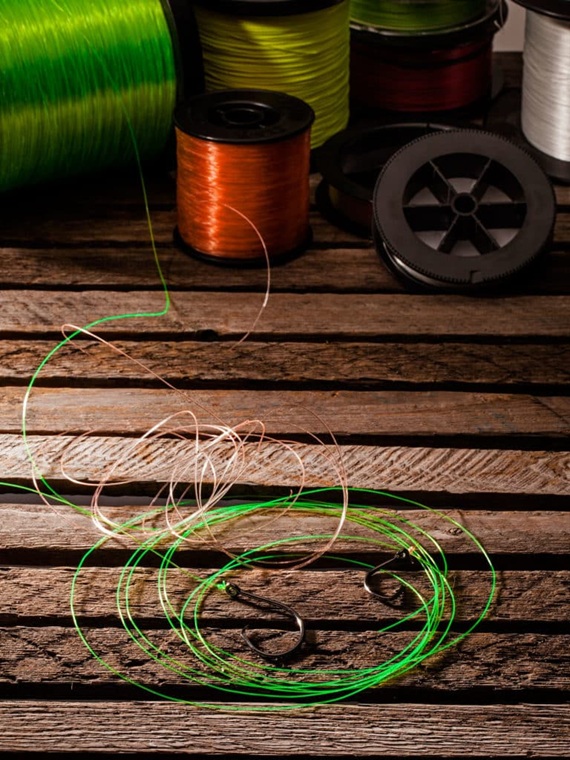
If you’re stocking up on the basics, add a reliable saltwater mono fishing line to your list. Monofilament, often called “mono,” remains the most popular saltwater fishing line for good reason. It’s thin, strong and subtle in the water, which helps present bait in a natural way. For casual anglers, it offers a balance of performance and ease that’s hard to beat.
One of the biggest advantages of monofilament is its flexibility and stretch. That stretch acts as a shock absorber during sudden strikes or head shakes, which makes it more forgiving when fighting strong fish. It also handles well on the reel, ties secure knots with minimal fuss and feels manageable even if you’re still building confidence.
Monofilament line is naturally water-resistant and has solid abrasion resistance, often outperforming braided line around rocks, jetties and rough structure. It also features a greater width-to-pound test ratio and more stretch than braid, which many beginners find easier to control.
Look for a mono fishing line with a thin diameter and low memory. Low memory means the line won’t hold tight coils after sitting on the spool, reducing tangles and improving casting distance. A lower diameter-to-pound test ratio usually signals better overall performance.
Keep in mind that monofilament can break down when exposed to direct sunlight, so it’s smart to replace it every six to twelve months, depending on how often you fish. While braided and fluorocarbon lines each have their place, monofilament remains the best choice for beginners and casual saltwater anglers who want reliability without complication.
Basic Tackle
Hooks, sinkers, swivels and floats may seem small, but they do the heavy lifting. Basic tackle connects your bait to your line and helps present it in a way fish can’t ignore. Without the right hook size or weight, even the best rod won’t save the day.
For saltwater, choose corrosion-resistant hooks and hardware. Circle hooks are great for beginners because they tend to hook fish in the corner of the mouth. It’s also a good idea to carry a range of sinker weights to adjust for current and depth.
Bait or Lures
No bait, no bites. Whether you prefer live bait, frozen options or artificial lures, this is what attracts fish in the first place. Natural bait works well for beginners because scent does much of the work for you. Lures, on the other hand, let you cover more water and target specific species. Soft plastics, metal slugs and hard-body minnows are popular in saltwater. Remember to match your choice to local species and conditions.
Fishing Pliers
Fishing pliers may not seem exciting, but they are one of the most practical tools you can carry. They help remove hooks safely, cut line cleanly and crimp sinkers with ease. In saltwater, you will also use them to handle toothy or spiky species without risking your fingers. Choose pliers made from stainless steel or aluminum with corrosion resistance. A built-in line cutter is a bonus.
Nice to Have Gear
Waterproof Backpack
A waterproof backpack keeps your gear dry and organized. Salt spray, sudden rain or waves over the rocks can soak standard bags in seconds. A waterproof design protects tackle, spare clothes, electronics and snacks.
Look for sealed seams, durable material and adjustable straps for comfort during longer walks to your fishing spot. Multiple compartments help separate wet items from dry ones. While you can fish without it, a waterproof backpack keeps everything secure and saves frustration if conditions change.
Sun Protection
Hours near the water mean strong glare and intense sun exposure. Polarized sunglasses reduce surface reflection so you can see into the water rather than just at it. That added visibility helps spot fish movement, structure and changes in depth. They also protect your eyes from stray hooks and flying lures.
Sunscreen is just as important. Saltwater environments reflect UV rays, increasing exposure. Choose a water-resistant sunscreen with high SPF and reapply throughout the day. This gear won’t hook fish for you, but it keeps you comfortable and focused.