

The contrabass is a magnificent instrument, but it’s also big, delicate, and often one of the most expensive things a musician owns. Moving it around is kinda a struggle. One mistimed turn, one crowded hallway, or one enthusiastic stagehand can be all it takes to damage something that should be played, not repaired. Because of that, choosing how to protect your bass becomes a surprisingly significant decision. Many players struggle to decide between buying a hard case or choosing a gig bag, unsure which option is safer or more practical.
Understanding Double Bass Cases
Before diving into materials and travel habits, it’s worth taking a moment to understand why you need a contrabass case and what it actually does. Simply put, a case protects your instrument when it ventures out into the world. The right case provides crucial protection against bumps, scrapes, temperature shifts and the occasional clumsy bandmate.
Why the Right Case Matters
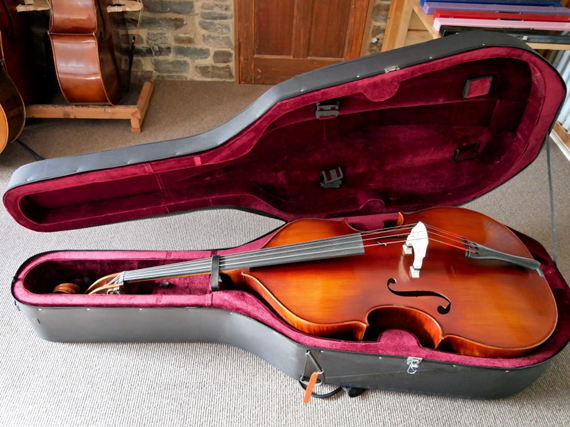
A double bass (or contrabass, depending on your preferred terminology) isn’t exactly pocket-sized. Its size makes it awkward to manoeuvre, and even minor knocks can result in costly repairs. That’s whychoosing a reliable contrabass case is about practicality and peace of mind. The right case keeps your bass safe, comfortable, and travel-ready, no matter the journey ahead.
The Hard Case
A hard case is exactly what it sounds like. It’s a rigid, protective shell made from materials such as fibreglass, ABS plastic, carbon fibre, or reinforced wood. Many of these cases have thick internal padding that keeps the instrument secure and stable. They’re built for serious protection and often feel like a portable safe.
Pros
- Excellent physical protection. The rigid exterior absorbs impact and shields the bass from crushing or sharp blows. This is especially useful when travelling through busy spaces or placing the instrument in vehicles and storage areas.
- Better resistance to weather. Many hard models seal tightly, which helps guard the instrument from rain, moisture, and sudden temperature changes.
- A secure structure. Latches, locks, and solid hinges help keep everything firmly closed during transport.
Cons
- Heavy and cumbersome. Hard cases can be a challenge to lift, turn, or carry through narrow spaces.
- More expensive. They usually cost significantly more than gig bags. Their materials and construction are designed for long-term durability, which adds to the price.
- Large storage footprint. They take up considerable space, both at home and at venues.
Ideal For
Touring professionals, orchestral musicians, and anyone who regularly travels long distances with their instrument. If your double bass often finds itself in luggage holds or on stages across the country, a hard case is your best friend.
The Gig Bag
A gig bag is a softer and much lighter option. These bags are usually made from padded nylon, polyester, or canvas. The inside is lined with cushioning materials that protect the bass from everyday bumps and scratches. They often include extra pockets for bows, sheet music, rosin, and accessories. This makes them practical for regular use.
Pros
- Easy to carry. The lightweight design makes short trips far more manageable. Many bags include backpack straps or wheels, which are helpful when walking longer distances.
- More affordable. A gig bag is usually far cheaper than a hard case while still offering decent protection for everyday movement.
- Flexible and space-friendly. The soft exterior makes it easier to move through doorways and tight rehearsal spaces. It also fits more easily into smaller vehicles.
Cons
- Less protection from strong impacts. A heavy fall or pressure from another large object can still damage the instrument.
- Limited structural security. The zips and fabric don’t offer the same protection against rough handling or accidental crushing.
- Not fully weatherproof. Some materials are water-resistant, but they don’t provide the complete insulation of a sealed hard shell.
Ideal For
Students, local performers, and anyone who mostly plays in one area. If you’re just popping from home to the studio or from rehearsals to small gigs, a high-quality gig bag offers all the protection you’ll need without the extra weight.
Factors to Consider When Buying
Choosing between a hard case and a gig bag isn’t just about protection; it’s about lifestyle. Here are a few key factors to consider before you make a purchase.
How Often Do You Travel?
If your bass regularly takes to the skies or the motorway, opt for a hard case. Airlines and tour vans can be unpredictable, and you’ll want that extra layer of armour. For local commutes or short car rides, a gig bag should be perfectly fine.
Your Environment
City dwellers might prefer something lightweight and easier to manoeuvre through crowds or up narrow staircases. Rural musicians or those with more storage space might find a hard case less of a hassle.
Budget
Hard cases are a long-term investment, while gig bags are budget-friendly and can be upgraded later. Decide whether you’d rather pay more upfront for heavy-duty protection or start with something simpler.
Instrument Value
If your contrabass is a priceless heirloom or custom-made piece, you’ll want maximum security. A hard case makes sense. For student or mid-range instruments, a quality gig bag may strike the right balance between safety and convenience.
Comfort and Handling
Look for features that suit your physical comfort. Well-padded straps, ergonomic handles, and smooth wheels can make a huge difference. A case is only useful if you can move it without risking injury to yourself or the bass.
Which Should You Choose?

Both hard cases and gig bags bring something valuable to the table. A hard case offers the strongest protection, creating a safe environment for long-distance travel. A gig bag makes everyday movement far easier and lighter. The right choice depends on your routine, the instrument you use, and your comfort level.
Many musicians end up owning both at different points in their lives. A gig bag works well for regular rehearsals, and a hard case becomes essential during major tours or air travel. The important thing is to choose a case that fits your needs today and keeps your bass safe during its journeys.


