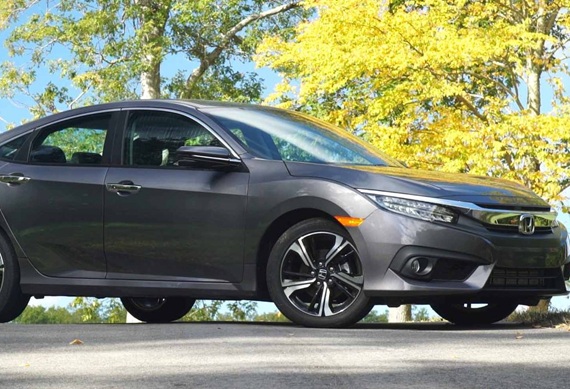

With over 30 million units sold since its debut in 1972, theHonda Civic is one of the best-selling nameplates in automotive history. Drivers praise the car for its unmatched blend of bulletproof reliability, impressive fuel efficiency, and everyday affordability.
Beyond daily commuting, every generation provides engaging handling and immense tuning potential. Whether in a standard, sporty Si trim or the track-ready Type R, current and past generations remain the benchmark for accessible performance and engineering excellence.
Why Tuners Love the Civic?
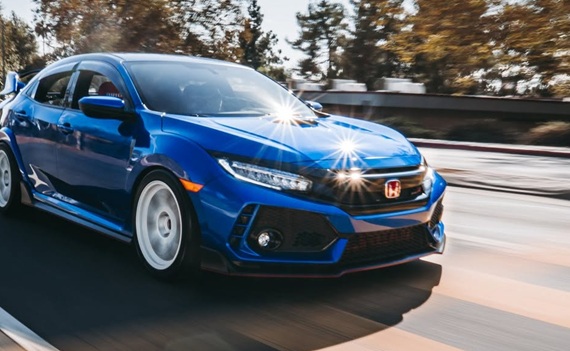
The Honda Civic is a sound foundation for serious tuning. The car’s over-engineered engines safely handle much higher boost and horsepower than factory ECU limits allow, and with a massive aftermarket, sourcing affordable performance parts for Honda Civic builds is remarkably easy.
Simple bolt-on upgrades, like cold air intakes, high-flow downpipes, upgraded intercoolers, and custom ECU tunes, unlock broad power gains and pair seamlessly with the company’s legendary VTEC variable valve timing, transforming an economical engine into a high-revving powerhouse. Beyond speed, the low curb weight, taut chassis and independent suspension, paired with simple upgrades such as big brake kits and sticky, low-profile tyres, maximise cornering grip and braking stability. This mix of lightweight agility and bulletproof engineering ensures the car delivers on the track, while remaining poised and comfortable for the everyday commute.
Engine and Performance Tuning
Cold Air Intakes
Aftermarket cold air intakes replace the restrictive factory air box and paper filters with wider, high-flow cone filters and piping positioned closer to the front bumpers to draw cooler, oxygen-rich air. The modification produces a louder, more aggressive induction sound, paired with noticeable spooling and blow-off bypass noise in Civic engines with forced induction. Real-world performance benefits include a more responsive throttle, ensuring faster acceleration, and power gains ranging between 5 and 20hp, depending on whether engines are naturally aspirated or turbocharged. Aftermarket kits are relatively easy-to-install bolt-on additions, reducing maintenance needs with reusable filters and a noticeable aesthetic upgrade, compared to the factory plastics. Tuners can choose polished aluminium, textured powder coat, or carbon-fibre tubing for sharper, customised looks.
ECU Flashes
An aftermarket ECU flash rewrites the software maps in the Civic’s computer without the need for hardware upgrades. Key benefits include adjusting the ignition timing, fuel delivery and boost pressure. On the Si and Type-R, base ECU tunes provide significant power and torque increases, sharper, more immediate throttle response, and easy calibration with bolt-on additions such as cold air intakes, aftermarket downpipes, or full turbo-back exhausts. High-end options provide track-ready features, ranging from launch control, custom throttle mapping and flat-foot shifting to monitoring key parameters like air-fuel ratios and coolant temperatures during sustained track runs.
Performance Downpipes and Exhaust Systems
Downpipes and exhausts are effective bolt-on performance parts for Honda Civic, especially in the 1.5 and 2-liter turbocharged powerplants. The parts revise factory exhaust layouts to reduce backpressure, increase exhaust velocity and provide smoother flow. Engineered downpipes alone add between 5 and 15hp (and up to 50hp when calibrated with an ECU tune), while also ensuring faster turbo spooling. Turbo-back and cat-back exhaust systems significantly reduce weight with thin-walled piping in high-strength metals such as 304 stainless steel, Inconel or titanium, deliver a deeper, sportier rumble from the tips and add more character to blow-off and wastegate sound. Civic owners can choose street-legal systems that meet strict emissions and noise regulations, or go for track-only setups, often modded with low-cell cat-less downpipes and straight-through mufflers.
Suspension and Brake Upgrades
Coilovers
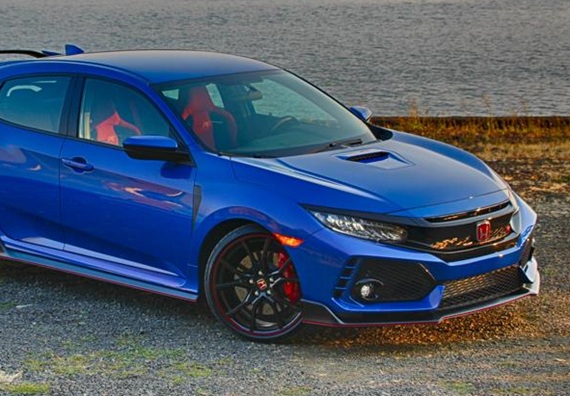
Fit the Civic with calibrated coilovers to improve handling and steering control. These suspension upgrades allow owners to dial in ride height, reduce the car’s center of gravity or raise the chassis when driving on potholed roads. The parts drastically reduce body roll in corners, sharpen up the steering for improved control, and keep the car planted. Mid- to high-tier coilovers provide adjustable compression and rebound rates to fine-tune how the car reacts over obstacles and round bumps, and selectable camber and caster settings to increase grip and optimise wheel alignment.
Brake Upgrades
When it comes to upgrading the brakes, Civic owners have multiple options. Changing to high-friction ceramic pads is one of the more affordable brake upgrades, ensuring more immediate brake bite, reduced heat buildup to prevent instances of brake fade or longer stopping distances, and generally quieter and more consistent performance.
Owners can also install braided steel brake lines pumping high-temperature brake fluid for consistent hydraulic pressure under hard braking, upgrade to drilled, slotted and drilled-and-slotted brake discs for increased friction with the pads, higher corrosion resistance and better heat dissipation; or opt for big brake kits with multi-piston callipers and oversized discs for demanding track use.