
Fishing has always combined patience, skill, and a little bit of luck. For generations, anglers relied on instinct, local knowledge, weather patterns, and experience to locate productive fishing spots. While these traditional methods still have value, modern technology has transformed fishing from a game of educated guesses into one of precision and strategy. Today’s electronics allow anglers to understand what’s happening beneath the surface before they even make their first cast.
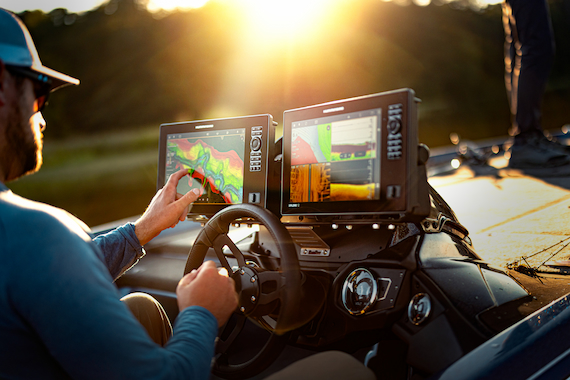
One of the biggest advancements is the GPS fishfinder. This device combines sonar technology with satellite navigation to reveal underwater terrain, identify fish, and help anglers navigate unfamiliar waters with confidence. Whether you’re fishing from a kayak, small boat, or offshore vessel, integrating an advanced GPS fishfinder into your setup can dramatically improve efficiency, increase your catch rate, and make every trip on the water more enjoyable.
Why Traditional Fishing Needs an Upgrade
Many anglers remember spending long days casting into seemingly perfect water without much success. While patience is part of the sport, relying entirely on guesswork often leads to wasted time and frustration.
The Limitations of Blind Casting
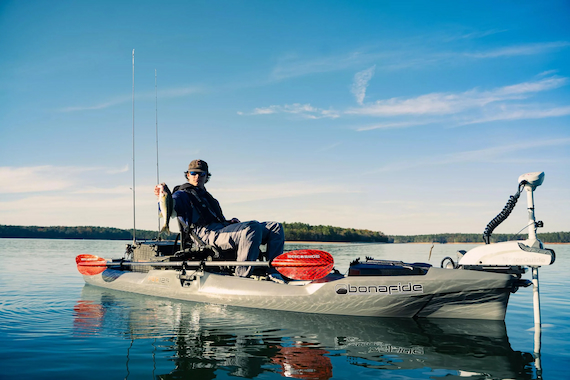
Without knowing what lies beneath the surface, anglers often target water that doesn’t hold fish. A shoreline may appear promising, but hidden underwater features such as drop-offs, submerged timber, weed beds, or rocky points are what often attract feeding fish.
Blind casting also makes it difficult to determine whether fish are absent or simply inactive. As a result, many anglers move too quickly from one location to another or stay too long in unproductive areas.
Modern electronics remove much of this uncertainty by providing real-time information about depth, structure, and fish activity before a lure even enters the water.
Time Versus Efficiency
Fishing trips are often limited by daylight, weather, or travel time, making efficiency increasingly important.
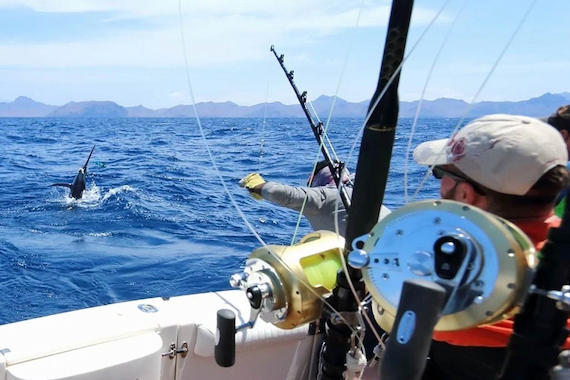
Instead of spending valuable hours cruising across lakes or rivers for productive water, a fishfinder helps anglers locate promising areas faster. More time can then be spent fishing rather than searching.
This improved efficiency is especially valuable when exploring unfamiliar waterways, where local knowledge may be limited.
A New Way of Thinking
Rather than hoping fish are present, anglers can confidently target locations where sonar confirms baitfish, underwater structure, or active fish. This data-driven approach encourages smarter decisions and greater confidence throughout the day.
The result is often a more rewarding and enjoyable fishing experience.
The Ultimate On-Water Asset
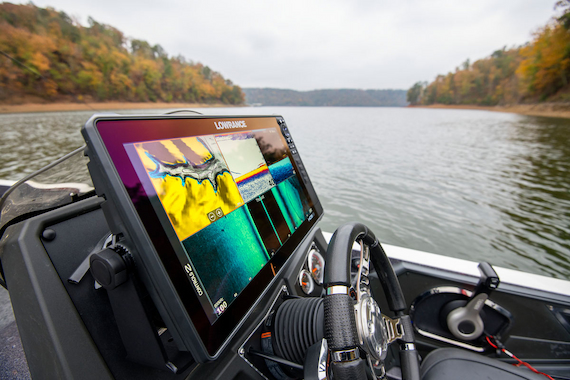
The real strength of a GPS fishfinder lies in its ability to combine two powerful technologies into one highly effective tool.
Sonar Meets Cartography
Traditional sonar sends sound waves beneath the boat and measures the time it takes for them to return after striking underwater.
This creates a detailed picture of the underwater environment, changes, submerged structures, vegetation, and even fish suspended throughout the water column.
GPS technology complements this by displaying your exact location on detailed digital maps. Together, sonar and GPS allow anglers not only to find productive areas but also to return to them with remarkable accuracy.
Whether you’re fishing large lakes, winding rivers, estuaries, or coastal waters, this combination significantly improves navigation and fishing success.
Reading the Water Column
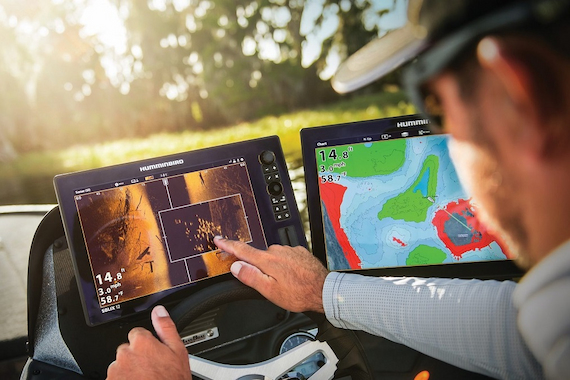
Learning to interpret sonar images opens an entirely new level of understanding. Schools of baitfish typically appear as dense clusters or clouds on the display, while larger predatory fish often show up as distinctive arches or individual targets nearby.
Observing this relationship helps anglers identify active feeding zones rather than randomly selecting fishing locations. Equally valuable is understanding bottom composition.
Hard bottoms such as rock, gravel, or shell beds often attract species that prefer firm structure, while softer mud or silt bottoms may hold different fish depending on the season and available food sources. Recognising these differences allows anglers to match their techniques, lures, and presentations to the environment below.
Mapping Your Success
One of the most useful GPS features is waypoint marking. Whenever you discover productive structure, catch fish, or locate submerged hazards, you can save the exact location for future trips. Over time, these waypoints become a personalised fishing map filled with proven hotspots. As your collection of saved locations grows, every outing becomes increasingly efficient and productive.
Other Ways to Elevate Your Overall Fishing Experience
While electronics provide valuable information, combining them with thoughtful preparation and responsible fishing practices delivers the best overall results.
Match Your Gear to the Conditions
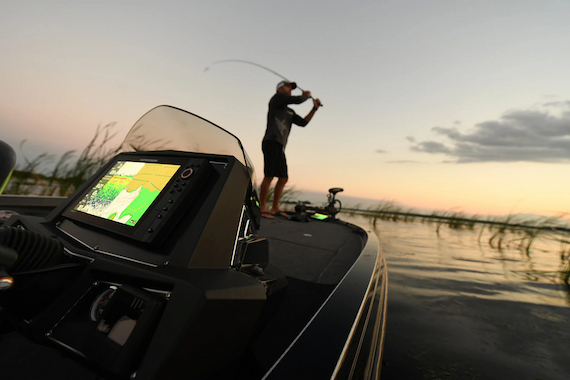
The information displayed by your fishfinder should influence your equipment choices. If sonar reveals fish holding deep along steep drop-offs, heavier jigging setups or deeper-diving lures may be the best option. Conversely, shallow weed beds identified on the display may call for lighter tackle and weedless presentations.
Understanding depth, structure, and fish behaviour allows anglers to choose rods, fishing reels, lines, and lures better suited to the conditions they encounter. Technology becomes even more effective when paired with the right equipment.
Practice Responsible Catch-and-Release
Advanced electronics make locating fish easier than ever, making responsible angling increasingly important. Practising ethical catch-and-release techniques helps maintain healthy fish populations for future generations. Using barbless hooks where appropriate, minimising handling time, supporting fish properly, and releasing them quickly all contribute to sustainable fisheries. Technology should enhance the fishing experience while encouraging responsible stewardship of aquatic environments.
Remember Why You Fish
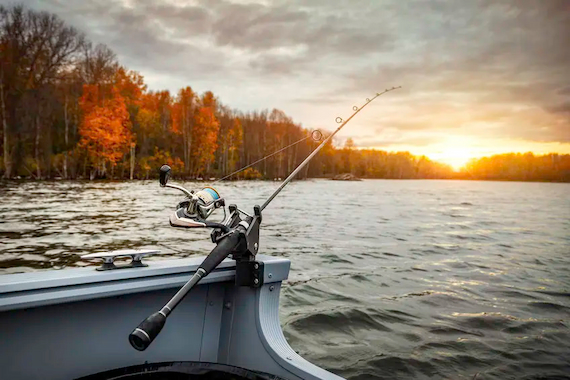
Although modern electronics improve efficiency, fishing remains about much more than simply catching fish. Some of the greatest rewards come from watching a sunrise over calm water, enjoying time with family and friends, observing wildlife, or escaping the pace of everyday life.
Technology should support these experiences rather than replace them. A balanced approach allows anglers to appreciate both the excitement of successful fishing and the peacefulness that draws so many people to the water.
The Final Word
Whether you’re browsing GPS fishfinders for sale for your first upgrade or looking to replace older electronics, investing the time to learn your equipment is just as important as purchasing it. As your confidence grows, your electronics become more than a navigation tool. They become a trusted fishing partner that helps transform every trip into a more purposeful, productive, and enjoyable adventure on the water.