

Are you always digging for new tracks and curating playlists? If so, you already have the instincts of a great DJ. Learning to mix allows you to develop your creativity and confidence. Whether you want to hype up a house party, explore a new artistic outlet, or even build a music career, this is a rewarding place to begin. However, shopping for gear can feel overwhelming. Controllers, turntables, speakers, where do you begin? Once you understand the essentials and what each piece of equipment does, everything clicks into place.
Essential Gear for Beginners
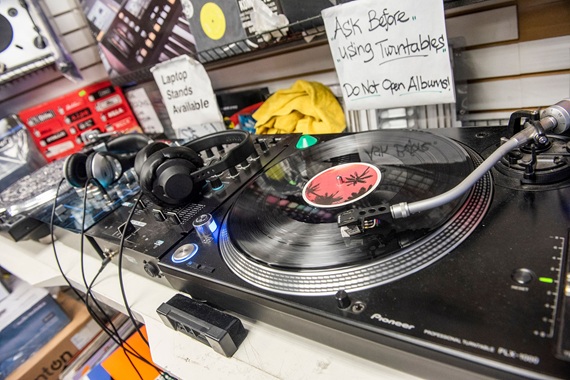
If you’re just starting this fun journey, it’s essential to look for reliable equipment for DJs. Prioritize shops that have been around for a while and know the music world. A well-established store that’s supported the community for years is likely to offer equipment you can trust, along with solid guidance if you need it. They usually have everything you’re looking for under one roof, so you can grab your decks, headphones, and speakers in one go without stressing about quality. Every setup relies on a few core pieces of gear. Here’s a quick breakdown to help you get started:
- Decks: Most beginners start with two, giving you the freedom to switch between tracks and build smooth transitions.
- Mixer: This is the heart of your setup. The mixer lets you blend the sound from each deck so your audience hears a seamless flow instead of two separate songs.
- Monitor speakers: Good monitors let you hear exactly what your crowd hears. They help you with timing, mixing, and creating a clean composition.
- DJ headphones: Your headphones help you listen ahead, cueing the next track privately before you bring it into the mix. They allow you to stay one step ahead of the music.
Finding the Right Decks
Choosing your first set of DJ decks is one of the most significant decisions when buying equipment. For many beginners, a controller is the most budget-friendly option. Everything you need is built into one compact unit. It includes two deck sections and a mixer, just like the setups you’d see in a club booth.
The main difference is that a controller relies on your laptop or mobile device for the music. It acts as the hands-on control surface for your software. Some beginner-friendly models even pair with smartphones and let you mix tracks from select streaming platforms. This way, it’s easy to learn the basics without building up a huge music library right away.
If you’d rather not depend on a computer, an all-in-one DJ system might be a better option when buying equipment for DJs. These have a similar layout but can run independently. Just load your tracks onto a USB drive, plug it in, and you’re ready to start mixing. They often borrow features from professional setups, which makes them powerful pieces of gear.
If you’re drawn to the club experience, most venues use CDJs paired with a separate mixer. They’re reliable and versatile, and if you dream of playing in front of a crowd someday, it’s an advantage to start with a similar setup. XDJs offer a comparable feel in a slightly different format, giving you a taste of the professional workflow.
The last option when looking to buy DJ equipment is vinyl. Turntables bring you back to the roots of DJ culture. They offer a tactile, hands-on feel that many enthusiasts still swear by. It takes more patience to learn, but if you prefer mixing on vinyl, it becomes an intuitive and rewarding way to perform.
How to Choose Headphones
What headphones do you need to DJ? You can start with whatever headphones you already have lying around. However, a pair designed specifically for mixing will give you better comfort, clearer sound, and more control over your sets. Quality headphones have features that support you while you learn the craft. Here are a few things that set proper headphones apart:
- Durability: They should be able to handle life on the move. This includes constant packing, late-night gigs, and plenty of wear.
- Noise isolation: Strong isolation blocks out background noise so you can focus on the finer details of your cueing and transitions, even in loud environments.
- Comfortable, flexible design: Most models include rotating earcups and soft padding. These are easy to adjust, whether you’re wearing them fully, half-on, or around your neck.
- Clear, detailed sound: Quality headphones offer clean, rich audio that helps you hear what’s happening in your tracks. You can pick out the bassline, beats, and subtle EQ changes, which gives you more confidence when you blend your songs.
The Role of Monitor Speakers
When you’re ready to level up your disc jockey equipment, add a pair of monitor speakers. They give you a much clearer idea of how your mixes sound. They help you fine-tune your transitions and build confidence before playing for an audience. A compact Bluetooth pair offers crisp audio, easy placement, and the freedom to go wireless. Once everything is set up, those same speakers can double as your party sound system when you’re ready to spin for friends.
Hone Your Skills
After you finish gearing up, you can start experimenting and discovering new sounds. Exploring different genres and expanding your library is a natural part of the journey. Many beginner-friendly setups work seamlessly with streaming platforms such as Beatport, Beatsource, TIDAL, and SoundCloud GO+, giving you instant access to a world of music as you develop your style.
If you ever feel stuck or curious to learn more, there’s no shortage of helpful online guides and tutorials to keep you inspired. With the right gear, a growing music collection, and a willingness to play around, you’ll be surprised by how quickly your skills start to take shape.


