In bowhunting, apart from your bow and arrows, almost everything else is a matter of choice. However, if your focus is on making a clean and ethical shot, then a bow rangefinder becomes a smart addition to your setup.
Is a Rangefinder Necessary for Bow Hunting?
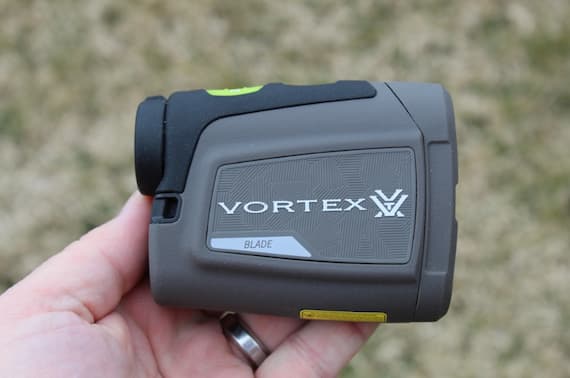
While not legally mandatory, there are many reasons why you may consider it beneficial to add one to your kit. If you’re new and still learning to judge distance, a high-performance bow rangefinder removes the guessing game. Experienced hunters can also use it to confirm their judgment before they draw. They can range trees, rocks, and clear shooting lanes ahead of time, so they already know the numbers when an animal steps in.
Also, they can double-check distance in shifting light, thick bush, and uneven terrain, where depth perception plays tricks on the eye. They can react faster when an animal moves and adjust without guessing. Sometimes, even with years in the field, adrenaline can distort distance in the moment, but with this dependable yardage companion, you can shoot with certainty.
Improves Accuracy
A rangefinder is a helpful tool as it gives you accurate distance measurements fast. Guessing distances by eye can work sometimes, but even a yard too far or too close can interfere with your success rate, shifting your arrow’s impact point by several inches.
Modern laser rangefinders measure distance within a yard or less. This eliminates guesswork so you can focus on your shot instead of doing mental math. They work seamlessly in seconds; just point, press, and you know exactly how far your target stands.
Boosts Confidence
With this reliable yardage tool at hand, you don’t hesitate or wonder if you’re aiming correctly. You pull to full draw, knowing exactly what your arrow will do. That clarity is especially useful in early or late season light, because this is when shadows are likely to play tricks on your eyes, and depth perception becomes unreliable.
Although a bow rangefinder doesn’t replace skill, it reinforces it when it matters. It lets you make decisions based on reliable data, not uncertain estimates. Bowhunters navigating Canada’s diverse landscapes can shoot with more confidence when they remove distance doubt.
Corrects Yardage for Elevation Changes
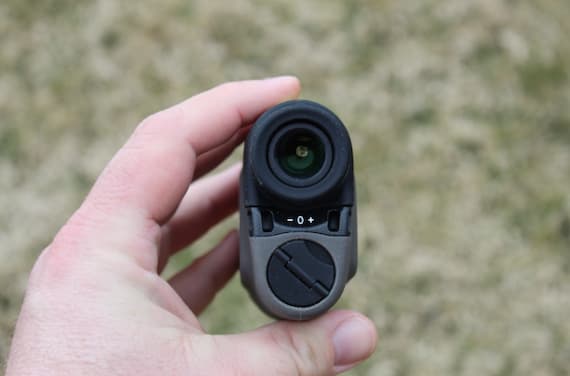
You probably already know that the Canadian hunting terrain often isn’t flat. Hills, slopes, and tree stands are common. In these hunting scenarios, it’s essential to know the straight-line distance isn’t enough. What matters is horizontal distance, or the distance your arrow actually travels.
This said, many rangefinders of today include technology that adjusts yardage automatically for uphill and downhill angles. Some brands call it Bow Mode, others use terms like True Ballistic Range or Horizontal Component Distance. However, the function is the same. The rangefinder calculates what really matters to your trajectory. That means you get a corrected number, not just a line-of-sight guess.
This feature matters most on ridges, in mountainous regions, and when you’re perched above your target. Without it, your shot could land short or overshoot, even if the straight-line range looks acceptable. Angle compensation keeps your aiming point honest and supports more ethical decisions in diverse terrain. Also, it’s useful if you hunt whitetail from elevated stands and follow game tracks up steep slopes.
Better Optics
Apart from measuring yardage, bow rangefinders also help you see better and withstand real conditions. If you’re often hunting in dawn or dusk when game is most active, look for models with quality optics and magnification that let you identify targets clearly.
For instance, models with multi-coated lenses (i.e. those that have several very thin layers of special coatings applied to them) improve light transmission so you don’t struggle to pick out small details like antlers, eyes, and subtle movements in low-light hunting situations.
Reliability in Different Conditions
Cold mornings, wet forests, snow-covered trails, and sudden rain – you know that bowhunters in Canada face tough conditions. Therefore, you need a quality rangefinder that can stand up to these elements. Waterproof or water-resistant housings protect sensitive internal components from moisture, while rubber armouring absorbs impacts if it’s dropped on rocks or packed tightly in a backpack.
Lightweight and compact designs keep the rangefinder within easy reach, whether clipped to a harness, carried on a belt, or tucked into your pack, without adding bulk. Many models include scan or continuous measurement modes, allowing you to track moving targets or measure multiple distances instantly, eliminating guesswork in dynamic situations.
These practical features translate directly into reliability and peace of mind in the field. You can focus on tracking game, reading terrain, and making precise, ethical shots, rather than worrying if your gear will hold up. Investing in a robust rangefinder means you bring a tool you can trust on every hunt, ensuring that each outing is productive, safe, and confident, no matter the weather or terrain.