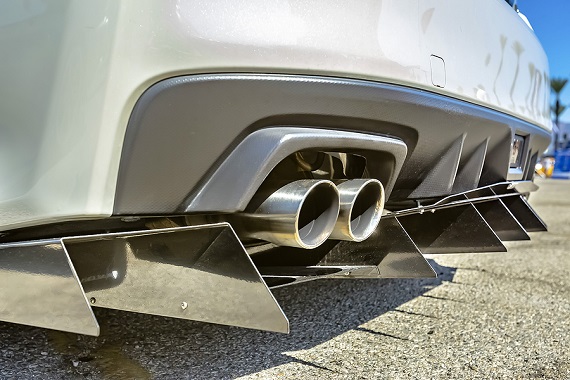

Car engine upgrades start with planned modifications, with different parts building on previous additions as part of staged tuning. “Stage 1” mods go with defined changes to factory intake and exhaust systems, with the aim of improving airflow in and out the engine. Pairing aftermarket air intakes and performance exhaust ensures more engine power, smoother throttle response, and an exhaust note mirroring that in pure race machines.
For production vehicles, a cutting-edge performance car exhaust also brings everyday durability, and the foundation for serious modifications, including forged internals, performance cams and forced induction. Combined, all additions can double rated engine power and still provide the reliability seen in new cars leaving assembly lines.
Limitations of Factory Exhaust Systems
Factory exhausts limit engine potential in several key areas. Piping is produced with defined budgets, deploys subpar materials and snakes through the engine bay and underbody, creating unneeded airflow restrictions. Moreover, noise and emissions regulations dictate narrower pipe diameters, further limiting flow efficiency. The result is a system that cuts overall engine power and efficiency.
Why Consider Performance Exhaust Systems
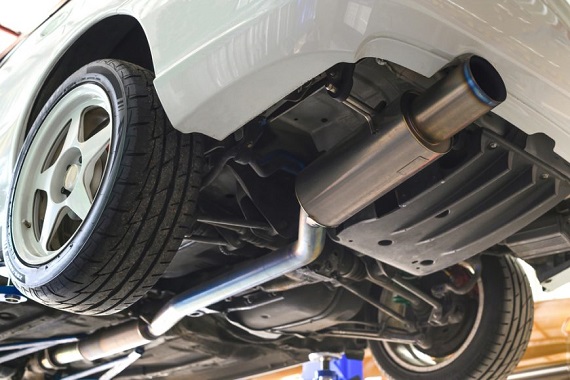
Performance systems take a different route. They substitute the crush-bent mild steel piping for stronger, mandrel bent stainless steel, ensuring uniform widths from manifolds to tips, with no abrupt changes to flow dynamics. Systems also remove factory restriction points, including high-cell catalytic converters and baffled mufflers to ease out spent gases faster.
With wider pipe diameters, and straighter layouts, they also help to optimise exhaust velocity, ensuring faster subsequent combustion cycles. Combined, the design and material changes bring several real-world benefits, such as:
- Increased power and torque: Wider, straighter piping provides an easier exit path for spent gases. Engines can take their next breath and produce more power and torque. Estimates for full systems range between 5 and 10 percent of rated engine power, meaning a powerplant that’s more eager on the throttle, has more low to mid-end grunt for faster pickup, and revs to higher redlines without hesitation.
- Enhanced durability: Stainless steel has higher tensile strength than low-carbon mild steel, providing sustained performance against extreme heat and pressure generated at higher engine loads. It also fares better against moisture and corrosion, and won’t kink or rupture on impact with road obstacles or debris. This means it also retains its polished looks, but also ensures consistent flow, with no leaks. For pure performance application, car owners can also choose high-end materials, including nickel alloys, titanium and carbon fibre for reduced weight and even more strength.
- Customisable sound profiles: Noise and emissions regulations negatively impact the sound leaving stock piping, robbing it of character and volume. Choose a performance car exhaust for a personalised sound signature, with options that include separate parts or pre-configured complete systems. These add more substance by producing a raspier, deeper exhaust sound while also eliminating harsher frequencies leading to irritating cabin drone. Proprietary technologies, such as muffler valving, tune exhaust sound and volumes according to engine loads, from quiet and civilised for the street, to rumbling, deep and loud when on the track.
- Aesthetics: Factory piping isn’t much to look at. Tips disappear within bumpers and tubing melds into the overall underbody landscape. Choose polished, brushed or chrome piping for more visual appeal, and a variety of tip layouts and designs for a car that stands out against the run-of-mill models in similar designs. Option here include rolled-edge, angle-cut and straight-cut single or double-walled tips in polished steel, burnt titanium, and woven carbon fibre, among others.
Layouts and Configurations
As with sound profiles, buyers can customise exhausts to meet performance expectations and budgets. This is achieved with exhaust separates, targeting stock restrictions, or full systems for calculated performance and durability gains.
Since parts are modular and easily connect to factory designs, simple additions like high-flow catalytic converters, or revised muffler and resonator combos, can reduce excessive backpressure and tune the sound to personal tastes. These can be added with simple mounting hardware, and fit in the factory underbody recesses, ensuring fast installation times.
Most motorists, however, choose pre-configured axle-back, cat-back or header/turbo-back systems. Axle-back systems include reworked parts from the rear axle to the tips, featuring changes to the mufflers, tailpipes and tips, with wider piping, superior materials and mods that look the part. While mostly cosmetic, axle-back exhausts ease flow and produce a more substantial exhaust note.
For noticeable power gains, go with cat-back or header-back systems. Cat-back exhausts add wider and straighter mid-pipes to axle-back layouts, substantially improving airflow from the cats to the tips. The reductions in backpressure translate to snappier throttle and more mid-range torque.
Added power comes with revised headers and turbine piping in header and turbo-back systems, essentially replacing all factory components. Here, wider and straighter tubing throughout the length of the system eliminates bottlenecks, increases efficiency and ensures engines reach their full potential, all while staying within legal noise and emissions limits.