

All companies end up having excess stock at some point. The product line is discontinued, the season passes, the forecast was incorrect, the company restructures or closes its doors. Regardless of the reason, unsold inventory ties up money, occupies warehouse space, and depreciates every month. This is where a stock liquidator comes in. They can solve the problem, save you time, and, most importantly, save your margins. Knowing what to expect and how to find a reliable liquidator is crucial when facing tight timelines.
What Is a Stock Liquidator?
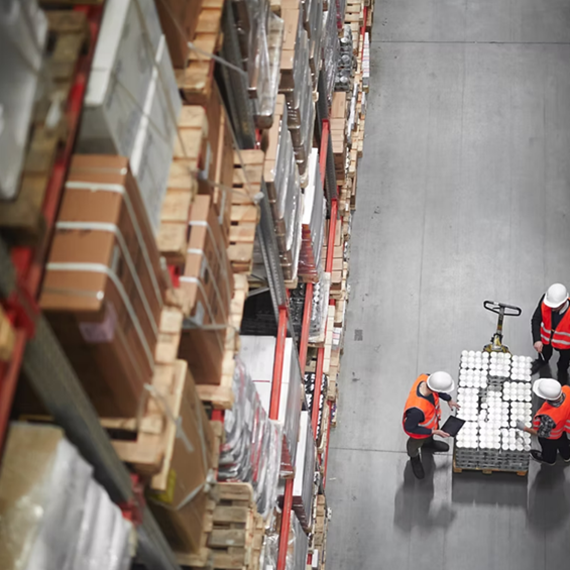
A stock liquidator is an entity that buys or sells surplus, discontinued, or excess inventory for a company wishing to dispose of it. Typically, reliable stock liquidators will buy up large quantities of stock, even the entire warehouse of items, at a discounted price and then resell it via auctions, retail outlets, wholesale buyers, and online marketplaces. The seller gets fast cash and empty shelves. The liquidator takes the resale risk and keeps the margin.
Why Businesses Decide on Liquidation
The primary advantage of stock clearance is speed. Leases expire, seasonal ranges go out of date, and cash flow needs don’t always wait for the ideal deal. Typical reasons include business closure or restructuring, discontinuation or replacement of a line of products, overstock following a fall-off in demand, end-of-season ranges, and freeing up warehouse space for new stock. In these scenarios, a guaranteed result within a certain time frame is sometimes more valuable than a higher offer that could take six months to realise.
The Trade-Off with Traditional Liquidators
The problem with using traditional liquidators is the price offered. The liquidator takes a total buyout of the stock and bears the burden of reselling the items, so prices tend to be low. Typical buyouts can be 5 to 15 per cent of cost, although exact figures depend on the product range, quality, and quantity. The seller will often have to pay any transport costs incurred and has no control over how the merchandise is resold. This can become a problem for brands that care about positioning.
A New Model: Managed Clearance
The newest model for managing stock overhang is managed clearance. Unlike the traditional sale process where the entire lot is sold to a single buyer for a price, the managed service puts the stock out for sale via multiple channels, retail and private, and pays only when something sells. Stock liquidators analyse market pricing, create optimal listings and syndicate stock on Australian and international marketplaces for both commercial and consumer buyers. The client packs the goods, and the liquidator handles logistics and customer service. There is no setup fee, and the client signs off on all listings before posting.
The main advantage is increased recovery and enhanced protection of the brand name. The main disadvantage is time, as individual sales take more time than a lump-sum purchase. Some companies offer a solution to this challenge: direct purchase or introducing a validated buyer when a business needs to exit its overhang within 48 hours.
Types of Liquidation Services

Liquidation services also vary in scope. Retail clearance is where companies liquidate old product lines without compromising their active brands. Warehouse clearance involves liquidation of the whole warehouse, including the logistics of delivering the product to the buyer. Wholesale liquidation involves moving multiple pallets and containers of the product to the buyer, whereas excess inventory liquidation involves converting old products into working capital before they become a permanent liability. Knowing which of these you need helps you brief providers properly and compare like with like.
How to Choose
There are four main considerations for selecting the right approach. Firstly, how fast do you need the cash? Closing deadlines make the sale, but for a company with several months, the managed sales approach is preferred. Secondly, how important is brand value? In cases where integrity of pricing is critical, it’s important to know the specific location where the stock will be sold. Thirdly, what does it really cost? Find out the costs associated with freight, handling, commissions, and set-up fees at the outset. Lastly, what is the nature of the liquidated stock? Providers are interested in durable products ranging from fashion, home accessories, electronic gadgets, cosmetics, sports equipment, baby products and health products. Perishables and short-expiry items are generally turned away.
Advice Before You Sell
– Organise your inventory thoroughly. SKUs, quantities, condition and RRP in a clear manifest will accelerate the valuation process.
– Compare net proceeds. Get two quotes – from a traditional liquidator and a managed clearance service – and compare actual net figures, not the top-line number.
– Check confidentiality. Your clearance shouldn’t tip off customers or competitors, unless that’s your intent.
– Look at the small print. See who pays for shipping, returns policy and payment terms.
– Hurry. Inventory depreciates as it gets older and storage fees accumulate.
The Bottom Line
Stock liquidators are a valuable asset for Australian retail and wholesale businesses because they turn liabilities into cash flow. Selecting a good one depends on how quickly you need the funds, your brand image, and how much of a discount you are willing to accept for certain delivery. In case of an outright buyer, the trick. Otherwise, if you can afford the wait, consider a managed clearance service that will return significantly higher proceeds. Either way, compare your options before surplus stock becomes a bigger problem than it needs to be.