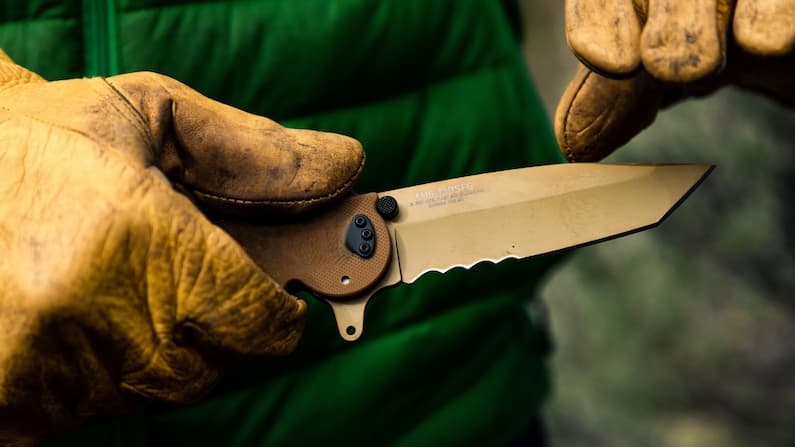

Knives are among the oldest tools known to man and while there are countless types out there, one of the biggest divides comes down to how many edges the blade actually has. A single-edge knife only cuts on one side, which makes it easier to control for detailed work, while a double edge knife is sharpened on both sides, giving it a symmetrical point that cuts no matter which way you swing it. This difference might seem small on paper, but it changes how the knife handles, how it’s used and who tends to reach for it.
Types of Double-Edge Knives
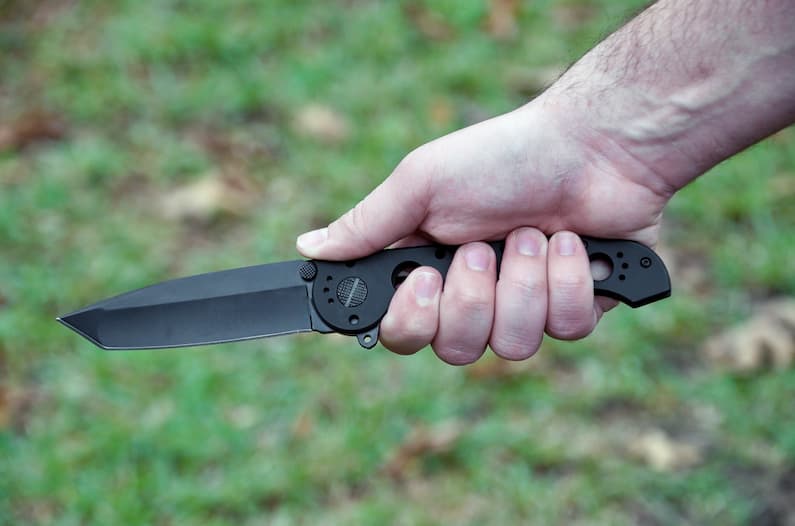
Fixed
A fixed blade D/E knife is essentially one solid piece of steel that doesn’t fold, hinge or retract in any way, which makes it considerably stronger than other designs. This type is especially popular for combat and survival use since there’s no mechanism to fail under pressure. Also, the tang, which is the part of the blade that extends into the handle, typically runs the full length for added durability. Since there are no moving parts, fixed D/E knives also tend to be easier to clean and maintain.
Folding
Folding D/E knives work a bit differently, since the blade pivots into the handle when not in use, making it a rather more compact and pocket-friendly option. While this design is convenient for everyday carry, it’s usually not as strong as a fixed blade, which is why folding knives are less common for heavy combat or survival situations. Some folding models include a locking mechanism to help keep the blade from closing unexpectedly during use, which definitely adds a layer of safety compared to older designs.
What to Consider
Blade Material
Stainless steel is the most common blade material since it resists rust and corrosion, which makes it a reasonable choice for everyday use in humid or wet conditions. Carbon steel, on the other hand, holds a sharper edge for longer, though it requires more upkeep to prevent rust, especially if it’s not dried and oiled after each use. Some higher-end blades use a combination of both, known as Damascus steel, which offers a nice balance of strength and edge retention while also looking quite distinct.
Blade Shape
The shape of the blade affects how it performs, with a spear point being one of the most common shapes since it offers a strong, symmetrical tip ideal for piercing. A dagger shape, which is quite similar, tends to have a slightly thinner profile, making it better suited for precision cuts rather than heavy-duty tasks. There are also spike and needle-point styles, which sacrifice some cutting surface for an even sharper, more focused tip.
Handle Design
The handle plays a bigger role than most people realize, since it directly affects grip, control and comfort during extended use. Materials like G10 and micarta are popular because they hold up well in wet conditions and provide a secure grip no matter the weather, while wood handles offer a more traditional look but require a bit more care. A double edged knife with a well-designed handle should also include some kind of guard, which helps prevent your hand from sliding onto the blade during use.
Mechanism
For folding models, the mechanism is one of the most important things to consider, since this determines how smoothly and safely the blade opens and closes. Liner locks and frame locks are among the most common types and both help keep the blade securely open during use, though they differ slightly in how they’re engaged. Some folding designs also include assisted opening, which helps the blade deploy faster with just a bit of pressure on the thumb stud.
Benefits of Double-Edge Knives
Versatility
One of the biggest draws of this blade style is how many different tasks it can handle, from camping and hunting to general utility work around the house. You may even use it as a chef’s knife, since the symmetrical blade cuts cleanly on either side without favoring a particular angle. This kind of flexibility is a big reason why so many people choose to keep one on hand rather than switching between several single-purpose tools.
Usability
Since both sides of the blade are sharp, you don’t have to worry about orientation when reaching for it in a hurry, which makes it quite convenient during fast-paced tasks. This is especially helpful in situations where speed matters more than precision, since there’s no need to flip or reposition the blade before making a cut.
Self-Defense
Self-defense is one of the main reasons people are drawn to these knives in the first place, since a blade sharpened on both sides can cut on the push and the pull, giving it an edge over single-edge designs in close encounters. This design has remained a go-to choice among military and law enforcement personnel for years, since it allows for quicker, more effective strikes when every second counts.
Practicality
Beyond combat and self-defense, these knives are also quite practical for everyday tasks like opening packages, cutting rope or handling basic outdoor chores. Since the blade cuts efficiently in both directions, you’ll often find yourself using less effort to get through tougher materials compared to a standard single-edge blade. This practicality, combined with their compact size and durability, is a big part of why they’ve remained a reliable choice for so many different users.