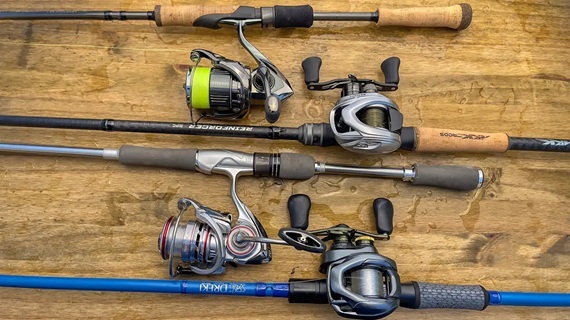

Fishing is one of those pastimes that can be as simple or as technical as you want it to be. While spinning reels are often the first choice for beginners, many anglers eventually want a little more control and power. That’s where baitcasting comes in. Although getting the basics of fishing first is recommended, anyone can go baitcasting. It takes some practice, but once you get used to it, it feels natural and efficient. When trying to find the right setup, understanding what makes a baitcaster reel stand out is important.
What Matters in a Baitcasting Reel
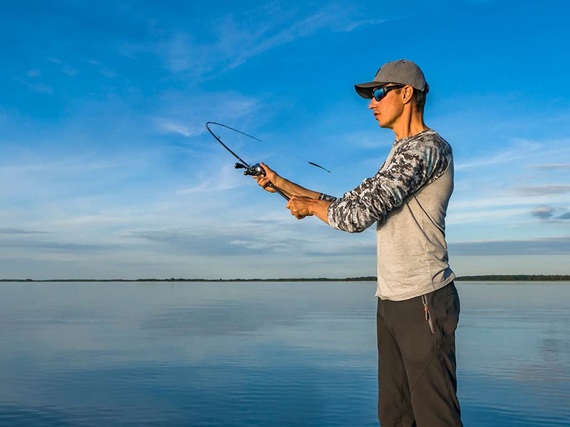
Gear Ratio
The gear ratio in a baitcasting reel tells you how many times the spool turns for every rotation of the handle. A higher ratio, like 7.1:1, retrieves the line faster, which works well when fishing in open water or using quick-moving lures such as spinnerbaits. A fishing baitcaster reel with a lower ratio, such as 5.4:1, gives better torque and is suited for deep cranking or pulling fish from heavy cover. Knowing your preferred fishing style helps you decide which direction to go.
Ergonomics
Finding a reel that feels right in your hand makes a huge difference during long hours of fishing. Compact frames and rounded edges help with comfort, while the handle and thumb bar placement affect control. A smooth drag system helps keep tension steady without sudden jerks that could snap the line. Before you commit, test how each reel fits in your palm to make sure it doesn’t feel bulky or awkward.
Build Quality
The material of your reel affects everything from durability to comfort. Frames made from aluminum are sturdy and resist bending, while graphite ones are lighter and cost less. Stainless steel bearings and corrosion-resistant parts are important features, especially if you fish in saltwater. Good build quality means smoother operation and a longer lifespan. Look for baitcaster reels for sale that highlight strong internal construction instead of only focusing on brand names.
Magnetic Brake
A big concern for anyone new to baitcasting is backlashes, those nasty tangles that happen when the spool turns faster than the line can leave it. The magnetic brake controls the speed of the spool during a cast to prevent this. Modern baitcasting reels come with adjustable braking systems that let you fine-tune resistance depending on your lure weight and wind. Beginners often find it helpful to start with a tighter brake setting and gradually ease off as skill improves.
Fishing Style
Think about the type of fishing you’ll do most often. If you fish in freshwater lakes for bass, you might want a medium gear ratio for versatility. If you often go after larger species or fish in heavy cover, a stronger reel with more torque works better. Every choice should link back to how and where you fish. Choosing according to your fishing style ensures that your new baitcasting reel suits your approach right from the first trip out.
How to Set Up and Cast a Reel
1. Spool the line properly. Tie your line tightly around the spool with an arbor knot, then wind evenly. Avoid overlapping. Adjust the spool tension. With your lure attached, hold the rod at shoulder height and press the thumb bar. The lure should drop slowly to the ground. If it falls too fast, tighten the tension knob until the fall slows.
2. Set the magnetic brake. As a beginner, start with the brake set halfway or slightly higher. You can fine-tune it once you get a feel for the reel. Grip the rod right. Hold it so the reel sits on top with your thumb resting lightly on the spool. This thumb control is what separates baitcasting from spinning reels.
3. Make your first cast. With your thumb on the spool, press the release and swing the rod forward in a controlled motion. Once the lure reaches the midpoint of your cast, ease your thumb just enough for the spool to release smoothly. Stop the spool. As the lure hits the water, place your thumb down to slow or stop the rotation. This prevents overruns.
Ways to Cast
Overhead
This is the simplest cast to learn. You bring the rod behind your shoulder and swing it forward in a straight line, releasing your thumb at the right point. It works best when you have open space above and behind.
Sidearm
Here, the motion is parallel to the water. It helps you cast under branches or in areas with low clearance. With good wrist control, you can also use this technique to skip lures under docks or cover.
Underhand Pinch
This short, controlled cast is ideal for tight spots. Hold the rod low, release smoothly and drop the lure softly into the water. It’s perfect when fishing around logs or weeds where you need accuracy more than distance.
Final Words
A good baitcasting setup comes down to balance, matching your reel, rod and fishing style so they work together. Before rushing into any purchase, take your time researching and, if possible, test out a few baitcaster reels for sale to see what feels right in your hands.