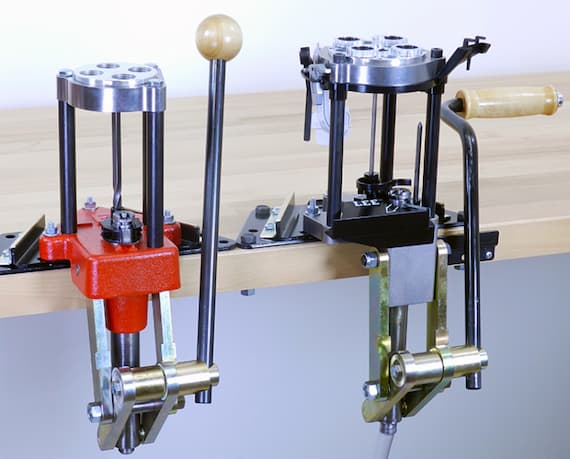

Reloading ammunition has long been a way for shooters to save money, improve accuracy, and tailor loads to their specific needs. Among the many tools available, turret presses stand out as a versatile option that bridges the gap between single‑stage presses and progressive systems.
They allow multiple dies to be mounted on a rotating head, streamlining the process without sacrificing control. For hobbyists and professionals alike, turret presses offer a balance of speed, precision, and adaptability.
The Core of Reloading
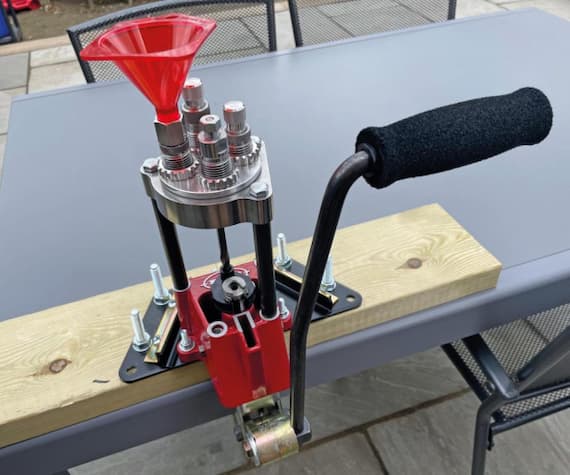
Turret presses simplify the reloading process by eliminating constant die changes. With a rotating turret head, users can resize, prime, and seat bullets by simply indexing to the next die. This efficiency makes them ideal for producing moderate quantities of ammunition while maintaining consistency.
Unlike progressive presses, which are designed for high‑volume output, turret presses provide a middle ground that suits both newcomers and experienced reloaders. They are particularly valued for their ability to combine accuracy with convenience, making them a practical choice for those who want more than a single‑stage press can offer.
Selecting the Right Fit
Choosing the right turret press depends on several factors. Reloaders should consider how often they plan to reload, the calibres they work with, and their comfort level with mechanical setups. Some models feature auto‑indexing, which advances the turret automatically with each stroke, while others require manual rotation.
Durability is another key factor, with cast‑iron frames generally offering greater longevity than aluminum alternatives. Ease of installation and compatibility with accessories also play a role in the decision. For many, investing in a sturdy press is worthwhile, as it ensures consistent performance over years of use.
Features and Types
Turret presses come in different configurations, typically offering between four and eight die stations. A four‑hole turret is sufficient for most handgun and rifle cartridges, while larger heads allow for more complex setups or multiple calibres. Auto‑indexing systems appeal to those seeking speed, but manual indexing provides greater control and precision.
The ram size and stroke length determine which cases can be reloaded, with longer strokes accommodating larger rifle cartridges. Materials also matter: cast iron provides stability and reduces flex, while aluminum offers lighter weight but less rigidity. Many presses include primer arms or catchers, adding convenience to the workflow.
Beyond the mechanical features, turret presses are often compared in terms of output. A single‑stage reloading turret press might produce 50 rounds per hour, while a turret press can double or even triple that depending on the operator’s rhythm. This makes them attractive for those who want efficiency without the complexity of progressive presses.
Getting the Most Out of Your Press
To maximize efficiency and longevity, reloaders should follow a few practical guidelines:
- Mount securely: fix the press to a stable bench to prevent vibration and ensure consistent results.
- Clean regularly: remove powder residue and lubricate moving parts to maintain smooth operation.
- Check adjustments: verify die settings periodically to avoid variations in seating depth or crimping.
- Rotate turrets wisely: keep separate turrets for different calibres to save time during changeovers.
- Follow manuals: consult reliable reloading guides to confirm powder charges and case dimensions.
Industry Applications and Safety Considerations
Turret presses are not only popular among hobbyists but also find use in small‑scale commercial operations where moderate output is required. Their ability to deliver consistent rounds makes them valuable for training facilities and shooting clubs.
Safety, however, remains paramount. Proper case inspection, adherence to published load data, and careful powder measurement are essential practices. Many reloaders also ask how long a turret press will last. With regular maintenance, a quality press can serve reliably for decades, making it a long‑term investment rather than a short‑term tool.
Turret presses can handle both pistol and rifle cartridges effectively, provided the press has sufficient stroke length and rigidity. This versatility is one of the reasons they remain a favourite among reloaders who want one tool to cover multiple needs.
There is some initial setup required, but most presses are designed to be intuitive and straightforward to use. Once the dies are properly adjusted, the process becomes routine and consistent, allowing reloaders to work with greater confidence and efficiency over time.
Precision Meets Practicality
Reloading turret presses occupy a unique space in the reloading world, offering a blend of speed, accuracy, and adaptability. They are well suited to reloaders who want more efficiency than a single‑stage press provides but do not require the high‑volume output of a progressive system. By considering usage needs, build quality, and compatibility, reloaders can select a press that enhances both productivity and precision.