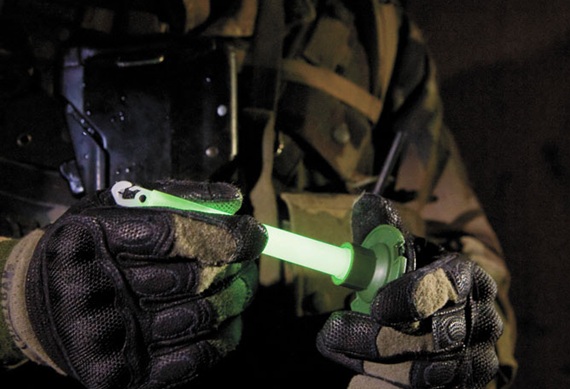

Chem sticks may look like simple glow sticks, but they have played an important role in military, emergency, and outdoor settings for decades. Originally developed for use by the U.S. Navy more than 45 years ago, these portable light sources quickly proved their value in situations where dependable illumination is essential.
While many people associate them with military operations or emergency kits, versatile chemlights are useful in a wide range of outdoor activities. They can serve as warnings to alert others to hazards, marker lights to identify trails, campsites, or gear, and signals when you need to attract attention in low-light conditions.
How They Work
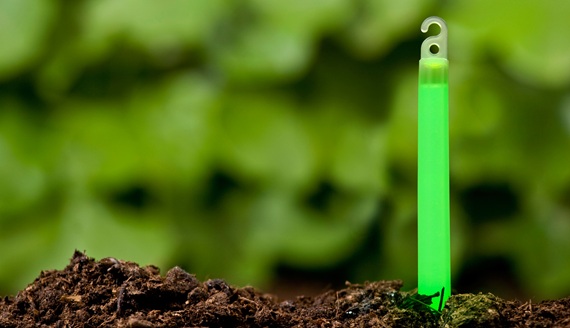
A chemlight works through a surprisingly simple chemical process. Bending the tube breaks an inner capsule, allowing two separate substances to combine and react. As energy is released, tiny particles called photons are emitted, creating the familiar glow. Once activated, the reaction keeps going until all the stored energy is used up, which is why these items can’t be switched off and usually remain illuminated for several hours.
Why They’re So Popular
One of the reasons why these light sticks have remained popular for decades is their combination of convenience and safety. Unlike lanterns, candles, or other illumination tools that rely on fuel or electricity, they work without producing heat, flames, sparks, or unpleasant fumes. That makes them a practical choice for enclosed spaces, emergencies, and outdoor adventures where reducing fire hazards is important.
People also appreciate how easy they are to keep on hand. Chemlights have an impressive shelf life and can typically be stored for several years before they’re needed, making them a dependable addition to emergency kits, vehicles, boats, and camping gear. Once activated, they provide a steady glow for many hours, offering enough visibility to get through an overnight hike, a power outage, or an evening at the campsite. Another appealing feature is their composition. They’re designed to be non-flammable and are generally considered safe to handle when used as intended.
Common Uses
What is a chemlight used for? These tools have earned a place in everything from military operations to everyday outdoor activities.
Outdoor Activities
Outdoor enthusiasts often pack them for camping, fishing, hunting, and hiking because they provide reliable illumination without requiring batteries or charging. You can hang one inside a tent for hands-free lighting, attach one to a backpack or path to mark your way back after dark, or use one to spot your vehicle in a dimly lit parking area. Some are even designed for underwater use, making them handy dive lights for nighttime or deep-water adventures.
Military Applications
Because they were originally developed for military use, chemlights are built for maximum reliability, ease of use, and battery-free operation in demanding environments. Armed forces around the world use them for a variety of purposes, including:
- Providing hands-free illumination for individual soldiers and teams.
- Helping identify friendly personnel during nighttime operations.
- Marking travel routes, checkpoints, and evacuation or medical treatment areas.
- Supplying emergency illumination in temporary field hospitals.
- Improving the visibility of vehicle convoys and guiding movement through smoke-filled areas.
- Identifying buildings, equipment, or personnel during urban operations.
- Drawing attention to specific locations or assisting with target identification.
Survival Applications
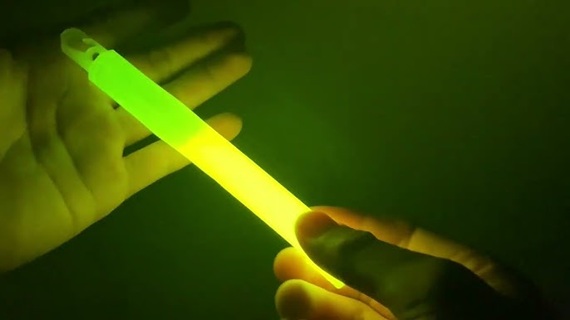
In survival situations, these tools can be surprisingly useful, especially when visibility drops and you need simple, reliable signalling or navigation. They’re often used in camping trips and survival scenarios where staying organized and visible matters more than anything else. Instead of relying on complicated gear, you can use it in a few practical ways:
- Keep a formation together while moving at night without losing track of each other.
- Mark out distances or reference points so you don’t lose your sense of direction after dark.
- Signal your location to rescuers if you need help in an emergency.
- Highlight fishing hazards or unsafe spots when you’re near water at night.
Infrared Options
There are also infrared versions of chem sticks that take things a step further. These are designed to be invisible to the naked eye and only appear when viewed through night-vision goggles, which makes them especially useful in security-focused situations where you don’t want to reveal your position or markings. In survival or tactical camping scenarios, that kind of low-profile signalling can be a real advantage.
Final Thoughts
At the end of the day, chemlights remain an essential tool because of their straightforward nature. With no batteries to replace, no fire risk, and a shelf life built for long-term storage, they are one of the most reliable gear additions you can make. From outdoor adventures to emergency preparedness, they offer an easy, cost-effective way to bring light to any situation.