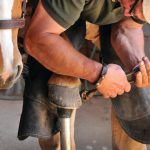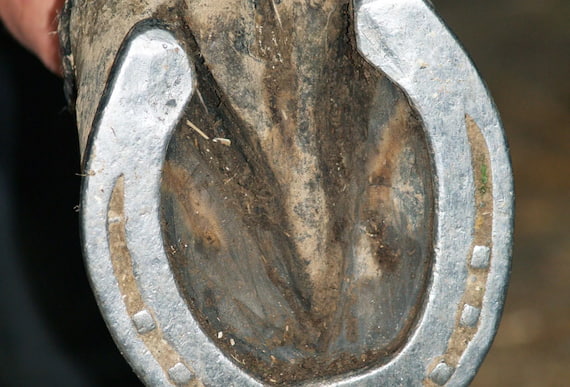

Your farrier is one of the most important members of your equine team. These skilled professionals handle everything from precise hoof trimming to expertly fitting horseshoes that keep your animal sound and comfortable. With several styles available, each designed for specific conditions and purposes, it can be challenging to choose the right hoof care products. Learning how different designs work, when they’re used, and how they support hoof health can make conversations with your farrier much easier to follow.
Choosing hoof shoes from top brands such as St. Croix Forge, Kerckhaert, and Mustad gives you confidence that your equine companion is wearing something designed for durability, consistency, and dependable performance. These brands create options that suit everything from everyday riding to demanding performance disciplines. Popular styles, including the St. Croix Rim, Polo, and Light Plain, as well as Kerckhaert’s SX7, SX8, Draft, Ranger, and Comfort ranges, meet different hoof shapes, workloads, and riding conditions.
Are Horseshoes Necessary?
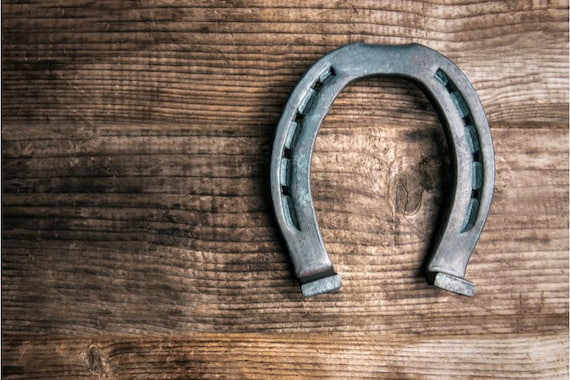
Not every horse needs to wear shoes. Those that spend most of their time on soft ground and experience natural hoof wear may do perfectly well without them. However, those that work regularly, compete, or travel over hard or uneven terrain often benefit from the extra protection and stability they provide. Here are some situations where they can make a difference:
- Performance horses: Animals used for riding, jumping, racing, or other demanding disciplines often need extra support to help protect their hooves during intense activity.
- Working horses: Those that pull loads or spend long hours on firm surfaces benefit from improved grip, stability, and reduced hoof wear.
- Hoof-related conditions: When hoof damage, excessive wear, or certain medical issues affect comfort, a farrier may recommend specialized shoeing to improve support and reduce strain.
- Therapeutic care: Corrective options can help manage specific hoof or joint conditions by encouraging better balance, stability, and weight distribution.
Different Types
There isn’t a single style of hoof shoes that suits every horse. The right choice depends on factors such as hoof condition, workload, terrain, and whether corrective support is needed. Farriers select different designs to improve comfort, stability, and performance while helping keep the hoof properly balanced. Some of the most common options include:
- Keg shoes: The standard choice for many animals, these durable U-shaped options provide dependable protection and support for everyday riding and a wide range of activities.
- Straight bar variations: Featuring a closed heel, these offer extra stability and support across the back of the hoof. They’re often recommended for horses recovering from injuries or dealing with certain hoof conditions.
- Egg bar variations: Recognizable by their rounded heel, these help distribute weight more evenly and provide additional support for horses with weak heels or therapeutic needs.
- Heart bar variations: Designed to support the frog, these specialized options are commonly used as part of treatment plans for conditions such as laminitis under the guidance of an experienced farrier.
- Racing plates: Made from lightweight materials such as aluminum, these reduce unnecessary weight while still providing essential protection and traction for racehorses.
- Traction options: Some designs include removable studs or extra grip features that improve stability on slippery, muddy, or grassy surfaces, making them popular for certain performance disciplines.
- Glue-on variations: Rather than being attached with nails, these are bonded directly to the hoof. They can be an excellent solution when traditional shoeing isn’t suitable or when additional flexibility is needed.
Horseshoe Materials
The horseshoes online aren’t made from just one type of material. Over the years, farriers have developed different options to suit various needs, from everyday riding to high-performance activities and specialized hoof care. The material chosen can affect factors like weight, flexibility, durability, and the amount of support a horse receives.
Steel remains the most popular choice because it offers excellent strength and long-lasting performance. Its durability makes it suitable for many situations, including regular riding, competition, and horses that need extra protection on tougher surfaces. Iron was once more common and is still occasionally used, though it is heavier and less widely preferred today.
For animals that benefit from a lighter feel, aluminum shoes are often considered. Their reduced weight can help support quicker movement, making them popular in racing and other fast-paced disciplines. Rubber and plastic options provide a softer, more flexible alternative, helping absorb impact and offering added comfort for animals working on hard ground.
Composite designs combine materials to create a balance between flexibility and strength. They can provide a stable base while allowing more natural movement compared to traditional metal options. Ultimately, the best material depends on the animal’s workload, hoof health, and environment. A skilled farrier can help choose the right option to support comfortable, balanced movement.
Maintenance Tips
When you buy horseshoes, you also need to consider how you’ll keep them healthy. Regular trims, proper care, and routine farrier visits help maintain a balanced hoof and ensure the shoe continues to provide the stability and protection your animal needs.
If you’re introducing a new style, pay attention to how your horse moves and behaves. Changes in comfort, movement, or performance can be useful signs that adjustments may be needed. It’s also important to leave shoeing to a trained professional, as an incorrect fit can affect your animal’s balance and cause problems over time.
Remember that conditions like wet ground, rough terrain, and daily habits can affect how quickly shoes wear down or loosen. By staying consistent with maintenance and working closely with your farrier, you can help support steady movement, better comfort, and healthier hooves.